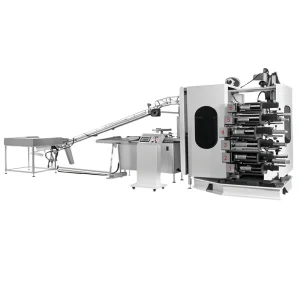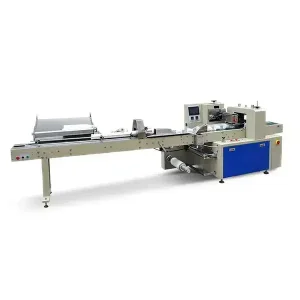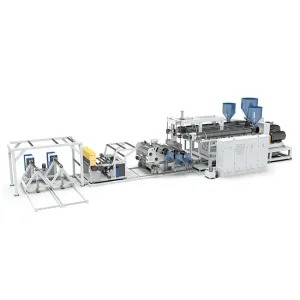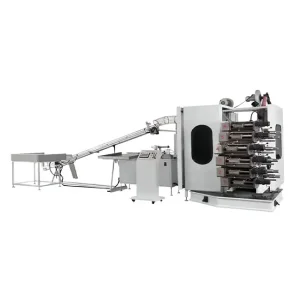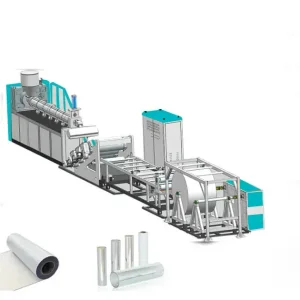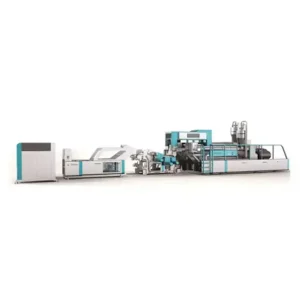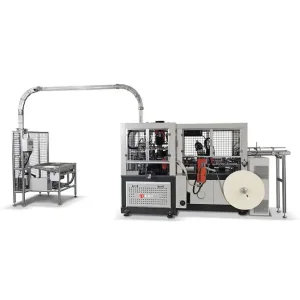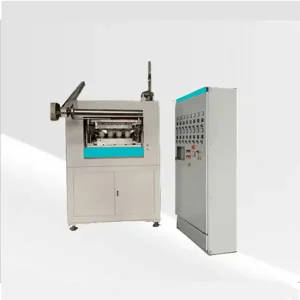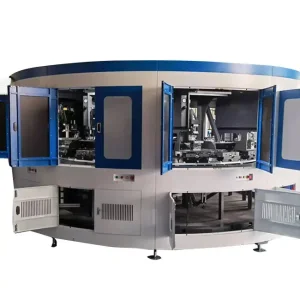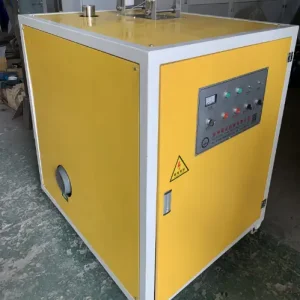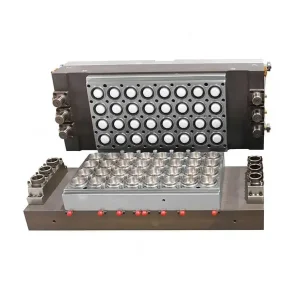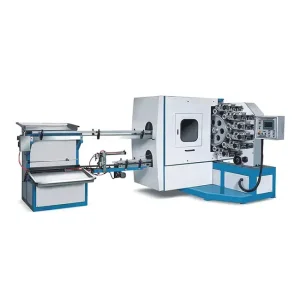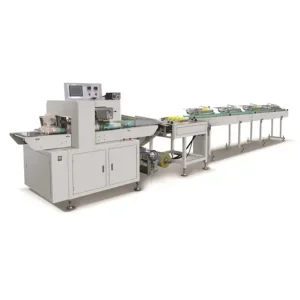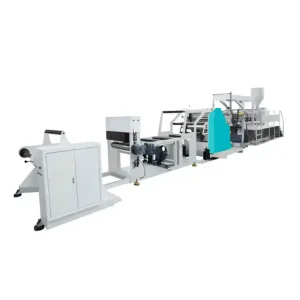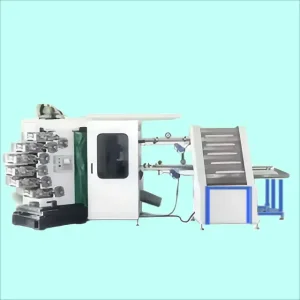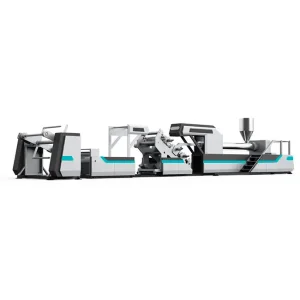
In the rapidly changing landscape of the global food service and retail packaging industries, high-volume production requires exceptional machinery reliability, speed, and printing quality. Modern plastic packaging manufacturers face multifaceted challenges: they must transition towards thinner-walled containers to minimize raw material usage while maintaining strict dimensional tolerances. Additionally, they must implement high-resolution decorative solutions that conform to complex curved geometries, such as tapered cups, lids, and fast-food containers. Wenzhou Yicai Machinery Technology Co., LTD. addresses these operational requirements directly by engineering state-of-the-art thermoforming and multi-color curved offset dry printing machinery.
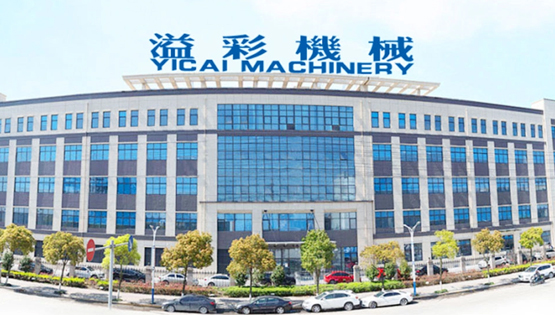
Historically established in 2010 as "Ruian Seven Star Machinery" and subsequently reorganized in 2022 as Wenzhou Yicai Machinery Technology Co., LTD., our firm has dedicated over a decade to structural engineering, motion control integration, and printing precision. Nestled in Zhejiang Province, a major hub for mechanical manufacturing in East China, we utilize regional supply chain clusters and specialized engineering teams to build automated solutions that reduce downtime and lower the total cost of ownership (TCO) for global converters.
Machinery design is fundamentally defined by technology-intensive execution. Precision machining of metal alloys, optimal welding and heat treatment to eliminate structural stress, and multi-axis PLC servo motor control represent the core pillars of our production methodology. Today's commercial ecosystem demands that every machine be energy efficient and adaptable to eco-friendly substrates like Polypropylene (PP), Polyethylene Terephthalate (PET), Polystyrene (PS), and Polylactic Acid (PLA) biodegradable bioplastics. By prioritizing mechanical rigidity and structural balance, Wenzhou Yicai Machinery ensures our machinery maintains sub-micron registration tolerances over millions of continuous operating cycles.
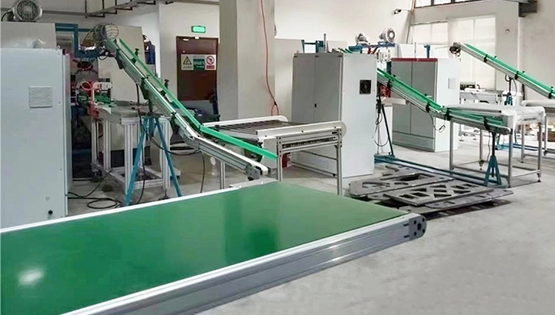
The international printing and packaging machinery sector is undergoing a massive shift towards automation, intelligent diagnostics, and minimized environmental footprint. Fast-moving consumer goods (FMCG) corporations require cup-decoration machinery to keep pace with thermoforming lines that produce up to 100,000 cups per hour. Traditional processes, such as in-mold labeling (IML) or sleeve application, often incur high material costs. Curved offset dry-offset printing offers a cost-effective alternative, enabling manufacturers to print logos directly onto plastic or paper surfaces at rates of up to 400 pieces per minute.
Offset printing utilizes precise mechanical ink fountains, ductor rollers, and distribution rollers to transfer a micro-thin ink film onto a metal plate. The plate transfers this image to a rubber blanket, which then prints directly onto the tapered plastic container. Registration alignment is maintained via a rotating mandrel indexer synchronized with the blanket cylinder.
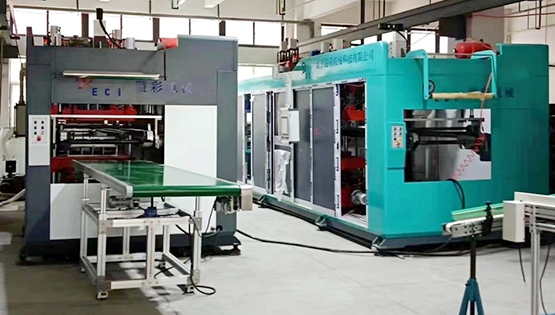
In thermoforming, polymer plastic sheets are heated to their softening point and forced into mold cavities using air pressure, vacuum, and mechanical plugs. Integrating sheet extrusion directly with thermoforming and inline edge-material crushing optimizes heat retention, cuts energy usage, and reduces scrap handling.
A primary advantage of sourcing equipment from Wenzhou Yicai Machinery is our integration with China's manufacturing supply chain. The Pingyang and Ruian industrial regions in Wenzhou stand as the global epicenter for printing, packaging, and plastic conversion equipment. This dense network allows us to source premium materials, custom tooling, and advanced electrical components with minimal lead times.
Instead of relying on isolated suppliers, we maintain strategic partnerships with top-tier international component manufacturers. This approach allows us to combine local machining capabilities with the reliability of global brands:
We integrate PLC units, human-machine interfaces (HMI), and servo drive packages from Siemens and Mitsubishi. This ensures worldwide serviceability, reliable software updates, and precise registration across all axes.
We use pneumatic valves, cylinders, and vacuum regulators from SMC and Airtac. These parts provide high-speed response cycles, long operational lifespans, and easy access to global replacement parts.
Our machines feature contactors, circuit breakers, and safety relays from Schneider Electric. This ensures our electrical panels comply with CE, UL, and CSA standards, simplifying local installation approvals.
This dual-focus approach—leveraging cost-effective Chinese engineering while specifying critical international components—ensures that our machinery remains highly competitive. It delivers exceptional durability, ease of maintenance, and compatibility with local plant operations, all at an accessible capital entry point.
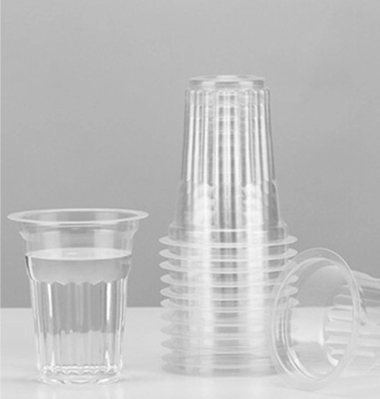
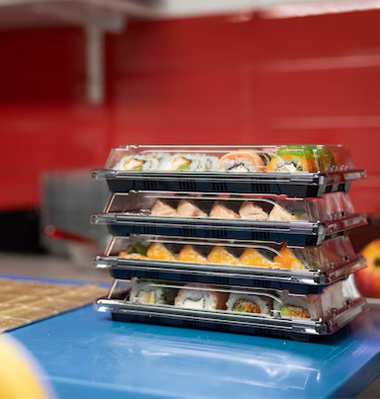
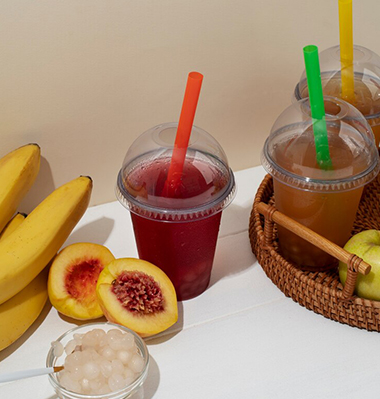
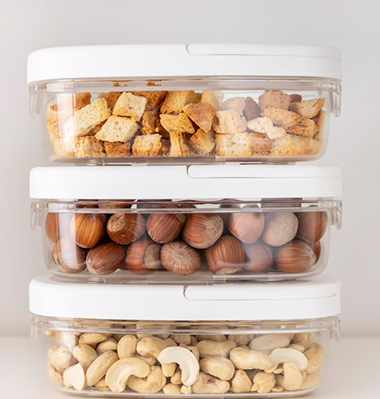
Our thermoforming, offset printing, and packaging systems process a wide range of thermoplastic compounds, including PP, PS, OPS, PET, and PLA. These systems produce high-precision, food-grade consumer packaging.

As the packaging industry adapts to global environmental policies, packaging machinery must evolve in lockstep. Our R&D team focuses on key areas to align our equipment with the future of packaging technology:
While pneumatic and hydraulic setups remain robust options, our next-generation thermoforming machines are transitioning to complete servo-driven mechanical actuation. This shift enables precise control over forming and cutting speeds. As a result, it reduces cycle times, minimizes noise levels, and cuts power consumption by up to 35% compared to conventional hydraulic systems.
Alternative materials like Polylactic Acid (PLA) and crystallized PET (CPET) require narrow temperature windows during formation. Our advanced thermoforming machines utilize PID-controlled, multi-zone heating panels equipped with infrared sensors. This design keeps sheet temperatures consistent to within ±1.0°C, preventing thermal degradation and ensuring high product clarity.
We are integrating industrial ethernet gateways into our PLC cabinets. This addition enables real-time monitoring of machine data, remote troubleshooting, and predictive maintenance alerts. Operators can monitor extrusion parameters, heater settings, and printing speeds via secure dashboards, reducing unscheduled downtime and optimizing line output.
Purchasing high-speed industrial machinery represents a significant capital investment. At Wenzhou Yicai Machinery, we recognize that the quality of our service system is just as crucial as the machinery itself. To support our clients, we offer a comprehensive service package designed to ensure smooth installation and reliable operation:
We customize machine layouts, heater zones, and printing stations to meet your specific output goals. Our team adapts color stations and automated stackers to match your facility's footprint and material requirements.
We monitor the entire manufacturing cycle, from incoming steel inspections to full Factory Acceptance Testing (FAT). Before dispatch, each machine undergoes continuous dry cycles to verify thermal stability and mechanical alignment.
Our support continues after delivery. We provide commissioning assistance, operator training, and maintenance guidelines. A comprehensive stock of critical spare parts is maintained to facilitate rapid worldwide shipping.
Dry-offset printing is highly effective for round, tapered plastic containers because it prints multi-color images onto a single rubber blanket, which then transfers the entire design to the container in a single rotation. This process avoids printing color-by-color directly onto the flexible plastic, which can cause registration errors.
Flexographic printing requires separate contact points for each color station. While ideal for flat substrates, applying this directly to tapered cups can lead to color misalignment and mechanical complexity. Dry-offset printing maintains precise registration at speeds up to 400 pieces per minute, offering a reliable solution for high-volume cup production.
Yes. Our machines are designed to process standard polymers like PP, PS, and PET, as well as biodegradable alternatives like PLA. To accommodate the narrow processing temperature window of biopolymers, our thermoforming lines feature:
These features prevent thermal degradation and ensure consistent wall thickness in the finished containers.
Our printing presses feature precision-ground print cylinders and an automated mandrel indexer driven by a servo system. To ensure consistent ink transfer, we use:
We build our machines to match your facility's local electrical standards. Common configurations include:
All electrical panels are designed and wired using CE-marked components. We also offer optional compliance modifications to meet specific local standards, such as UL/CSA certifications for the North American market.
Our typical production timelines are as follows:
We coordinate these schedules closely to ensure delivery matches your plant's installation timeline.
Reach out to our engineering team to discuss your production requirements, request a quotation, or schedule a visit to our manufacturing facility in Zhejiang, China.
Whether you require single replacement molds or a complete extrusion, thermoforming, and inline printing layout, our team provides technical analysis, capacity planning, and detailed quotations based on your specific requirements.
We welcome visitors to our Wenzhou factory to inspect our facilities and see our machines in operation.
 Yicai Machinery