High-precision technology engineered for maximum output, stability, and product quality
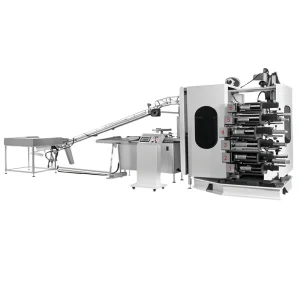
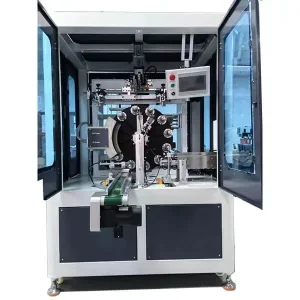
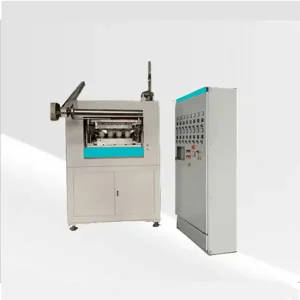
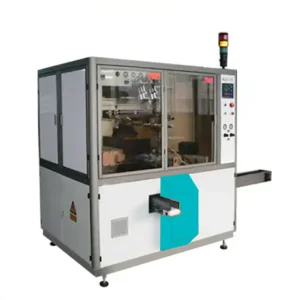
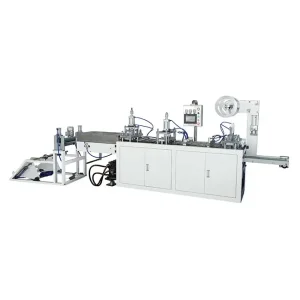
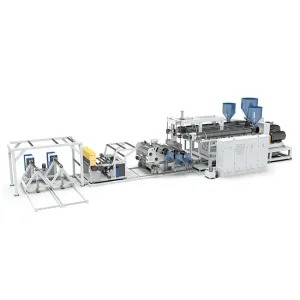
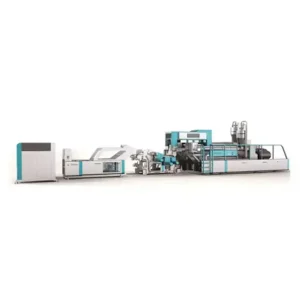
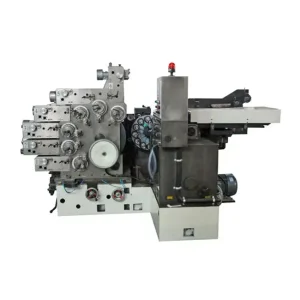
The global polymer extrusion industry is undergoing a profound paradigm shift driven by technological advances, stringent environmental regulations, and the rising demand for production efficiency. Machinery in this field is fundamentally technology-intensive, requiring deep multi-disciplinary support that spans mechanical design, metallurgy, advanced thermodynamics, automation, and computer control. Modern manufacturing demands that materials are processed with exceptional precision—achieving highly consistent sheet thicknesses, uniform temperature control, and minimized material degradation.
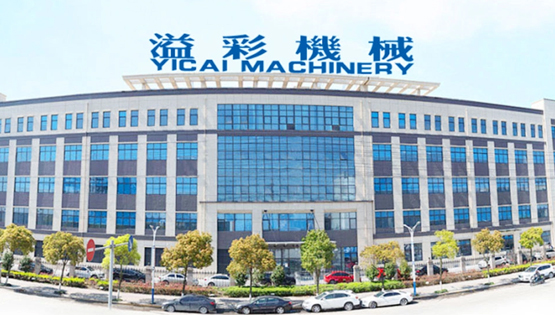
Complex metal fabrication processes, high-integrity welding, and sophisticated assembly workflows form the core of Wenzhou Yicai Machinery Technology Co., Ltd.'s operations. Operating under strict environmental and energy-saving standards, manufacturers must address the dual challenges of reducing carbon footprints while maximizing production speed and yield. The global machinery marketplace is increasingly competitive, making it imperative for suppliers to combine mechanical design prowess with advanced automation integrations.
How our multi-disciplinary engineering approach delivers measurable competitive advantages to global packaging enterprises
We tailor raw systems and configurations based on localized requirements, aligning voltage, color preferences, controller layouts, and speed profiles with the specific operational context of each client.
Continuous investment in engineering research drives the transition from semi-automatic operation configurations to highly automated, smart, and interconnected production architectures.
Our production units feature wear-resistant nitrided screws, precision gearboxes, and multi-zone PID controllers, complying with rigorous global international quality management systems.
Our packaging engineering consultants analyze raw materials (PP, PS, PET, PLA), volume requirements, and facility layouts to construct tailored equipment proposals.
Why sourcing from the Zhejiang industrial corridor maximizes machinery reliability and ROI
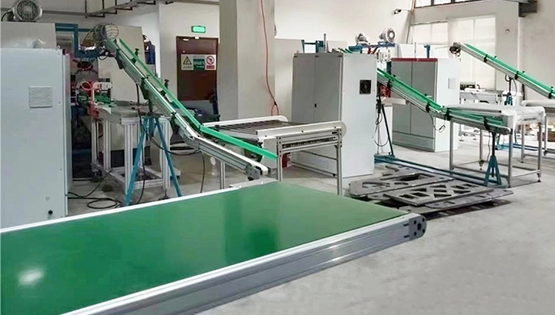
China’s coastal manufacturing zones, particularly in Wenzhou, Zhejiang, offer unique structural advantages for the industrial machinery sector. Wenzhou Yicai Machinery leverages this localized concentration of steel mills, component suppliers, surface-treatment specialists, and logistics providers to deliver robust engineering solutions at competitive price points.
Raw Material & Metallurgy Control: The performance of any sheet extruder or thermoforming system depends on its steel. By using advanced Chinese metallurgical facilities, we source high-density alloy steels that undergo computerized heat treatment and gas-nitriding processes. This results in screws and barrels with superior wear resistance and long-term dimensional stability under high temperatures.
Hybrid Global-Local Integration: While our primary structures and mechanical frames are built locally, our electrical and control subsystems integrate globally recognized brands. We utilize Siemens PLCs, Omron temperature controls, Schneider contactors, and Delta variable frequency drives (VFDs). This approach combines the cost efficiencies of Chinese manufacturing with the reliability and ease of replacement offered by global brand names.
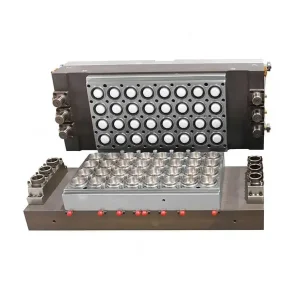
Rapid Prototyping & Custom Mold Manufacturing: With CNC machining centers nearby, we accelerate the production of custom thermoforming molds. Whether designing complex multi-cavity lid tools or deep-draw food container containers, our rapid design-to-production cycles help clients launch new packaging solutions with shorter lead times.
Engineered systems matching diverse packaging needs across global markets
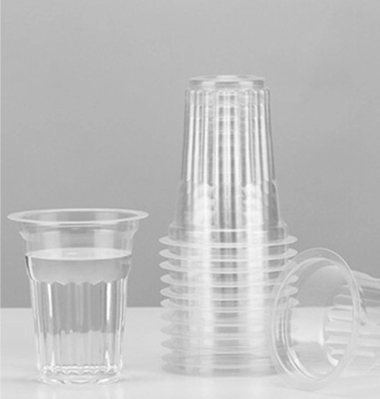
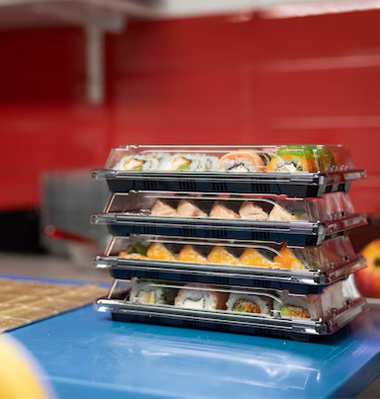
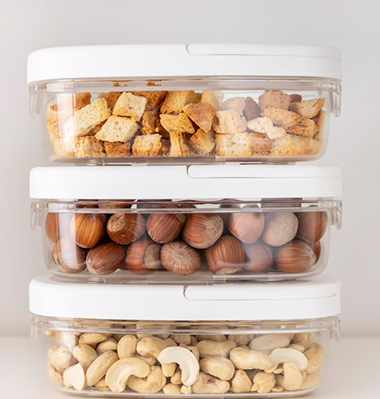
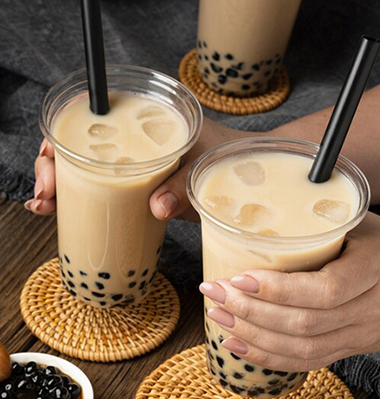
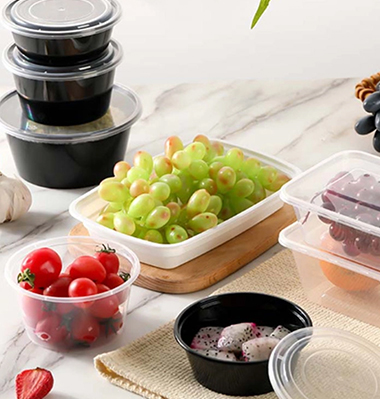
Modern consumer trends demand food-safe, visually clear, and thin-walled packaging. Our systems are built to process both traditional polymers (PP, PS, PET) and biodegradable alternatives (PLA) for various end-use applications.



Navigating modern manufacturing requirements for sustainability, energy optimization, and international standards
Our equipment undergoes continuous optimization to align with European CE markings, UL electrical safety protocols for North America, and OSHA standards. High-voltage protection systems, emergency-stop triggers, and enclosed acoustic housings protect operators while mitigating mechanical risks.
Modern thermoforming systems utilize infrared heating panels and closed-loop PID control loops to reduce energy waste. By incorporating variable frequency drives (VFD) on primary extrusion motors and using recycled or biodegradable resins, we help processors meet global net-zero targets.
Our systems feature internet-enabled PLC nodes. Under secure client protocols, our engineering team in Zhejiang can log in remotely to diagnose issues, calibrate sensor offsets, update firmware, and optimize motor ramps, minimizing downtime.
Resolving core technical challenges, optimization questions, and purchasing considerations for polymer processing
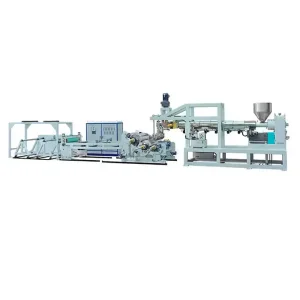
Ensuring uniform thickness in multi-layer co-extrusion machines (such as ABA, AB, or ABC configurations) requires precise rheological matching of the polymer melt streams. This is controlled through co-extrusion feedblocks designed with CFD-optimized flow channels, combined with a coat-hanger flat extrusion die. Accurate temperature control across the die lip (using multi-zone PID cartridge heaters) is essential. If the temperature fluctuates by even ±1°C, the resulting change in polymer viscosity can alter the layer ratios and lead to sheet thickness deviations.
The Length-to-Diameter (L/D) ratio of the extruder screw determines the dwell time and shear energy applied to the polymer. For polyolefins like Polypropylene (PP) and Polystyrene (PS), an L/D ratio of 30:1 or 33:1 is standard. This provides sufficient barrel length for melting, mixing, and building stable head pressure. When processing shear-sensitive or hygroscopic materials like PET and PLA, special barrier screw profiles and venting zones are used to extract moisture and volatile compounds, preventing polymer degradation.
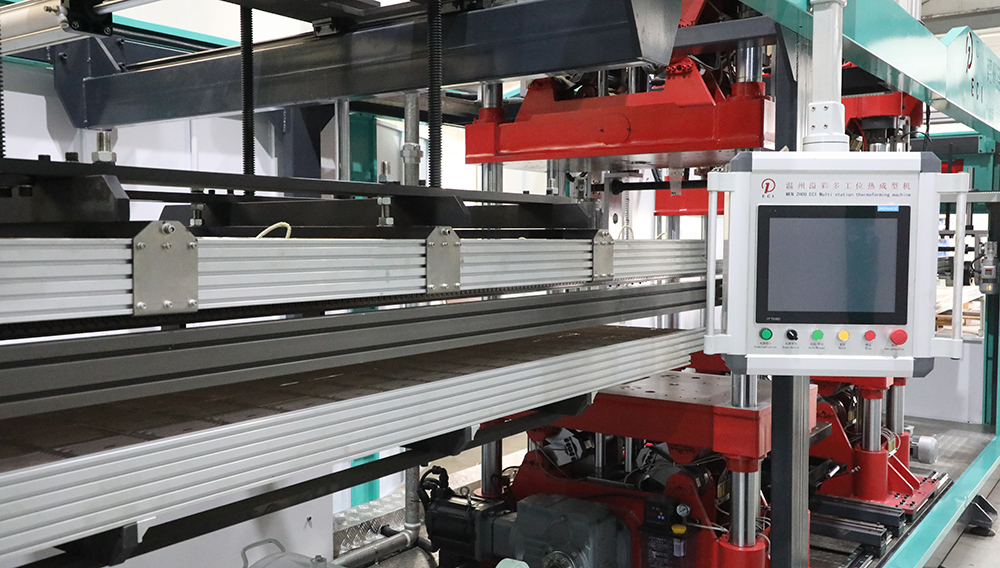
Hydraulic thermoforming systems offer significantly higher clamping forces compared to pneumatic systems. This is critical for high-speed, multi-cavity molds where large surface areas generate substantial counter-pressure. Hydraulics provide smooth control over platen speed and positioning, reducing mechanical shock and extending mold life. They also allow for cleaner cutting and sealing when forming thicker plastic sheets or processing materials that require high cutting forces.
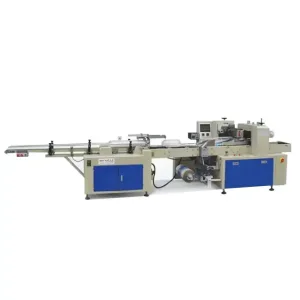
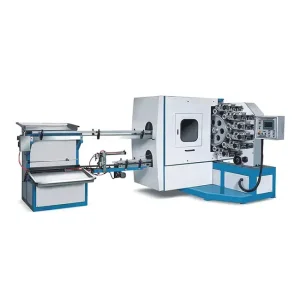
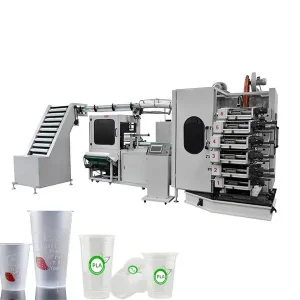
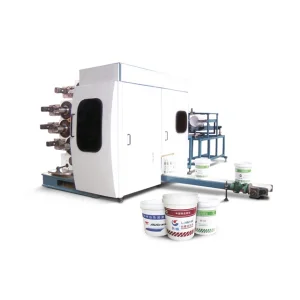
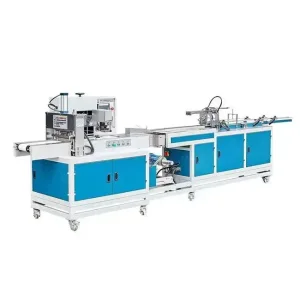
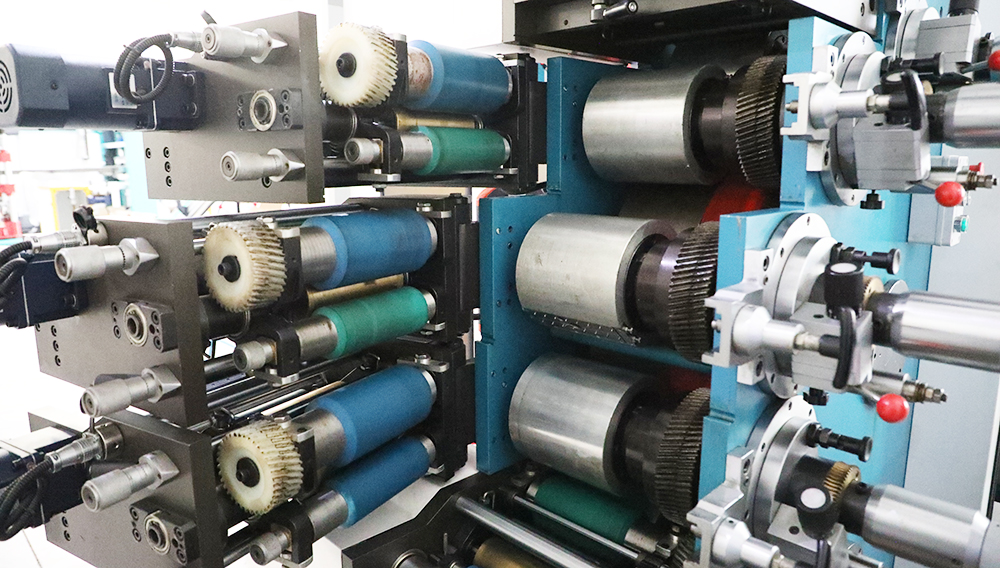
Printing on curved polymer container surfaces at speeds of up to 400 pieces per minute requires high precision. Our multi-color offset printing machines utilize mechanical link arms, high-precision indexing drives, and micro-adjustable plate cylinders. High-power UV curing systems immediately cross-link the inks after printing, preventing smearing as the containers are automatically stacked.
To ensure a long operating life, we treat key contact surfaces with specialized finishes. The extruder barrels are lined with bimetallic alloys, and screws are nitrided to withstand wear from pigments and filler additives. Molds are CNC-machined from high-grade aircraft aluminum alloys and hard-anodized, which optimizes heat transfer and resists wear from daily cycling.
Robust auxiliary systems and specialized processing hardware for turnkey plants
Experience our engineering facility in Zhejiang, China, and connect with our global support team
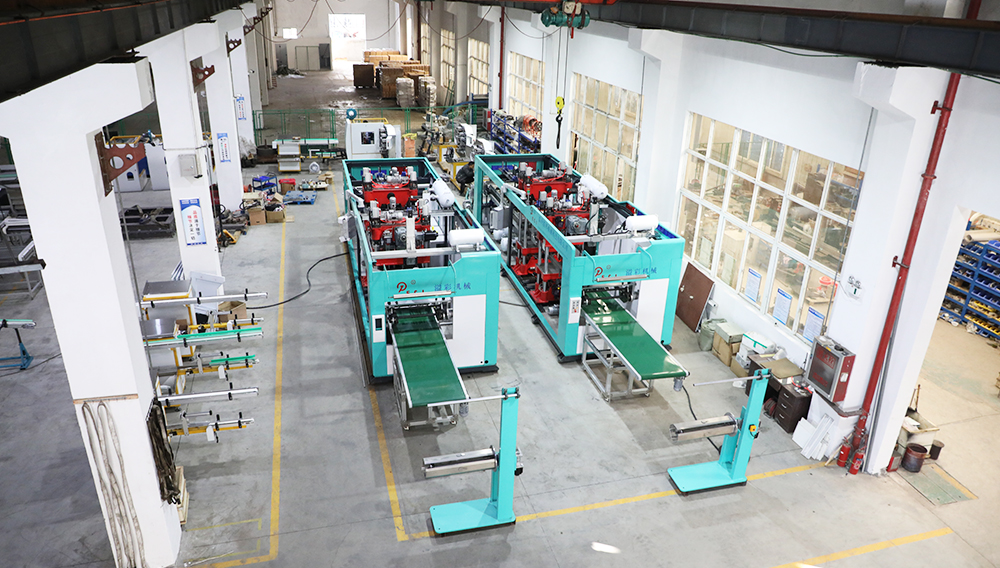
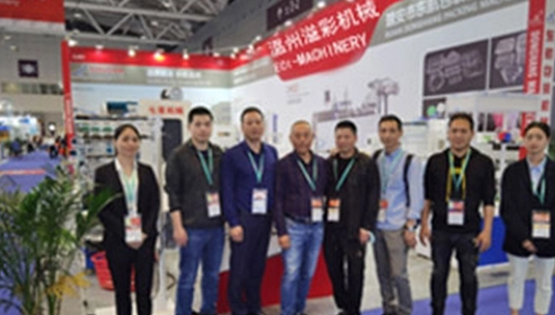
Reach out to discuss your technical specifications, request a quote, or schedule a virtual tour of our factory.
 Yicai Machinery