Explore our premium machinery array configured for international export and high-yield manufacturing lines.
Understanding the critical role of high-precision extrusion systems in modern plastics engineering.
The global industrial market for plastic extrusion is experiencing a significant shift toward higher efficiency, raw material versatility, and precise thermal control. The Single Screw Extruder Machine remains the undisputed workhorse of the polymer processing sector, responsible for producing massive volumes of sheets, pipes, films, and profiles. With a simple yet highly optimized physical layout, it handles polymer melting, homogenization, and pressurized pumping into downstream dies with remarkable consistency.
Geopolitically and commercially, high-quality manufacturing hubs in regions like Zhejiang, China, have elevated their design paradigms to rival Western standards. Industrial demand has shifted away from general-purpose machinery to highly customized, application-specific extrusion configurations. This evolution is driven by the rise of thin-gauge sheet thermoforming, medical-grade tubing, packaging, and the incorporation of recycled polymers into the extrusion stream.
Today, single screw systems must maintain high shear stability while keeping energy consumption down. Standard configurations now routinely integrate bimetallic barrels and specialized screw designs optimized for specific resin classes such as Polypropylene (PP), Polystyrene (PS), Polyethylene (PE), Polyethylene Terephthalate (PET), and biodegradable Polylactic Acid (PLA).
1. Thermal Homogeneity: Modern single screw systems feature multi-zone barrel heating combined with optimized cooling fans to prevent material degradation.
2. High L/D Ratios: Standard L/D ratios of 28:1 to 33:1 ensure full plasticization, melt stabilization, and pressure control before entering the die block.
3. Versatile Feeding Options: Configured with gravimetric dosing systems for highly accurate multi-component material feeding (virgin resin, masterbatch, recycled flakes).
4. Reduced Wear & Tear: Engineered using bimetallic barrels and tungsten carbide-coated flight screws for longevity when running abrasive fillers or high-temperature resins.
A Legacy of Precision Engineering, Technology Innovation, and Global Customer Trust
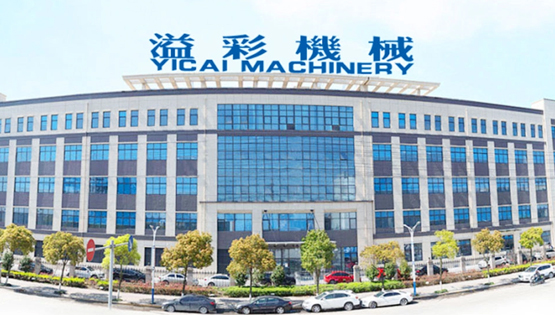
Originally founded in 2010 as "Ruian Seven Star Machinery" and systematically rebranded to Wenzhou Yicai Machinery Technology Co., LTD. in 2022, our enterprise is located in Zhejiang Province—the coastal industrial powerhouse of East China. Equipped with a dedicated, experienced research and development division, we excel at manufacturing thermoforming machines, curved offset printing systems, plastic sheet extruders, and auxiliary industrial packaging machinery.
The machinery industry is complex and technology-intensive. From mechanical design, metal welding, precision assembly to automation control programming, we deploy rigorous quality management protocols. Our corporate philosophy is anchored on "Quality as the Core, Customer Needs as the Guidance." Through constant technical iterations, Wenzhou Yicai continues to deliver competitive manufacturing solutions globally, providing reliable after-sales services and stable supply chains to clients in dozens of countries.
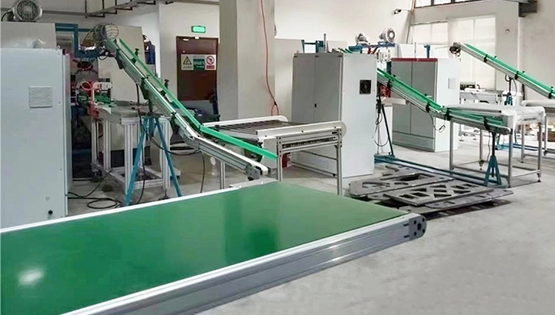
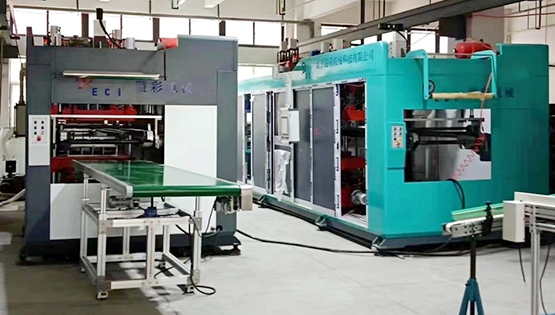
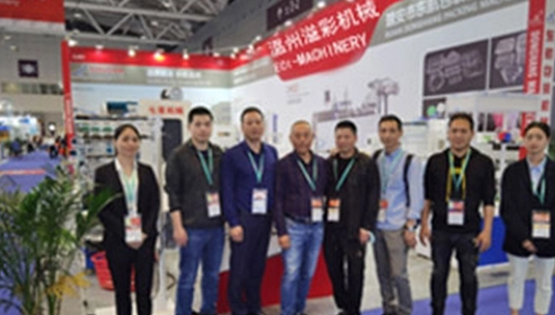
Delivering high-value, end-to-end operational capabilities for modern industrial clients.
Our guiding principle is to ensure customers "buy with confidence and operate with ease." We tailor equipment dimensions, color themes, screw geometry, electrical component configuration, and mold layouts to suit exact production demands.
Moving from manual configurations to semi-automation and fully integrated smart lines, we invest heavily in R&D to help plastic processors maximize yield, reduce resin wastage, and adapt to biodegradable materials like PLA.
Utilizing high-strength materials, advanced CNC machining center processing, and internationally recognized electric parts, our machinery stands out for its structural stability, low maintenance, and energy efficiency.
We provide in-depth technical analysis, raw material recommendations, facility layout suggestions, and production cost projections to empower prospective clients during planning.
With an expansive distribution network, we serve clients globally. We are fluent in international logistics, regulatory declarations, and custom localized documentation.
Our raw components and electronic elements are sourced from trusted brands (Siemens, Schneider, Omron). This helps minimize mechanical failures and guarantees spare parts availability worldwide.
A reference for engineering teams analyzing single screw output performance.
| Extruder Type | Screw Diameter (mm) | L/D Ratio | Suitable Polymers | Typical Product Applications | Max Output (kg/h) |
|---|---|---|---|---|---|
| Single Layer Extruder | Φ65 - Φ90 | 28:1 - 33:1 | PP, PS, PE, ABS | Drinking cups, disposable food container sheets | 150 - 280 |
| Multi-Layer Co-Extrusion | Φ75 / Φ65 / Φ55 | 30:1 - 33:1 | PP, PS, EVOH, PET | Barrier food trays, thermoformed medicine blisters | 250 - 450 |
| High-Speed PLA Extruder | Φ80 - Φ100 | 32:1 - 35:1 | Polylactic Acid (PLA) | Biodegradable cups, eco-packaging boxes | 200 - 350 |
| Diagonal Single Layer | Φ65 / Φ75 | 28:1 - 30:1 | PP, PS | General thermoforming sheets, fast food boxes | 120 - 200 |
How sheet extrusion lines interface with thermoforming and high-speed multi-color printing systems.
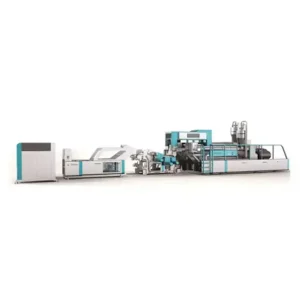
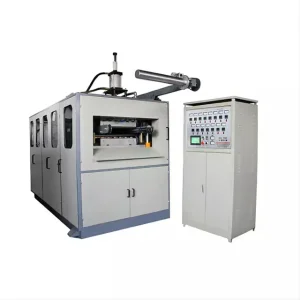
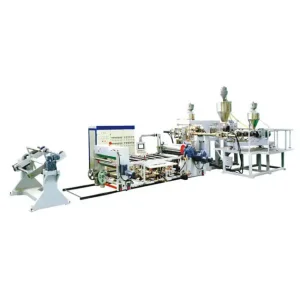
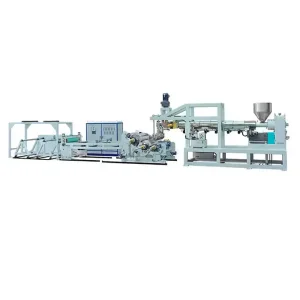
For plastic manufacturers, raw sheet extrusion is the foundational phase of a multi-stage manufacturing line. The molten polymer extruded via our single screw systems passes through a high-precision T-Die, undergoes finishing on a 3-roll calender, and is wound into dense, uniform rolls. These sheets are then fed directly into Thermoforming Machines to produce disposable cups, lids, food trays, or medical packages.
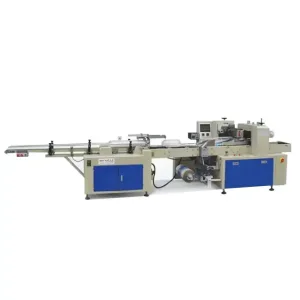
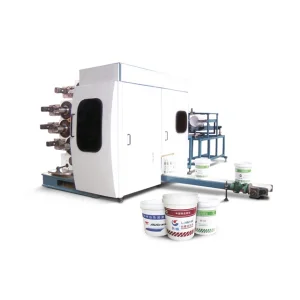
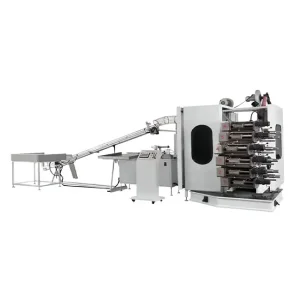
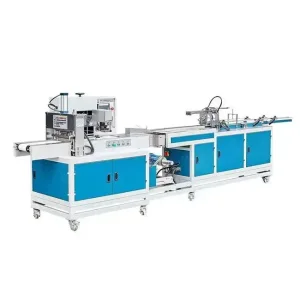
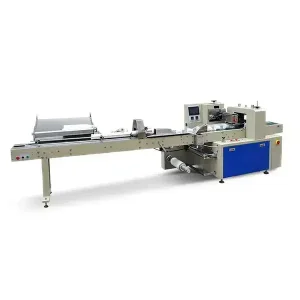
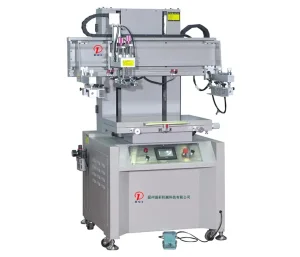
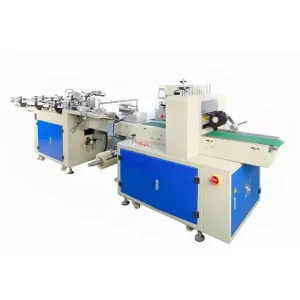
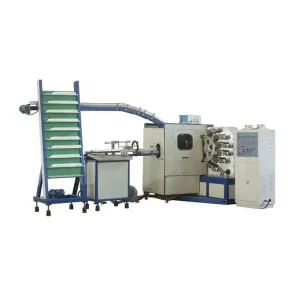
After thermoforming, products like plastic cups frequently require high-speed decoration. Wenzhou Yicai provides robust solutions including 6-Color Curved Offset Printing Machines, Cup Silk Screen Printing Machines, and Bucket Printing Machines. By integrating these systems, manufacturers can print sharp logos, barcodes, and decorative art at scale. The finished containers are then consolidated and wrapped using our automated single-row or multi-row packaging machines.
Analyzing technical, commercial, and environmental shifts shaping future extrusion lines.
Worldwide legislative bans on single-use plastics have accelerated the adoption of PLA, PHA, and starch blends. Extrusion screws must be designed with mild shear profiles and active barrel cooling to prevent thermal degradation of these heat-sensitive biopolymers.
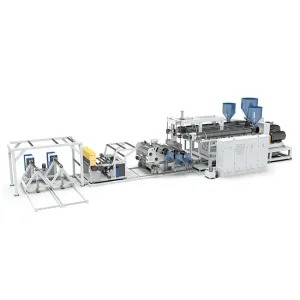
Packaging companies are moving towards multi-layer structures (ABA, ABC, or barrier layers with EVOH). Co-extrusion systems utilize multiple single screw extruders running in parallel feeding a single feedblock to construct high-barrier films.
Modern extrusion systems rely on PLC networks to monitor melt pressure, motor torque, heater power draw, and sheet thickness in real-time, reducing reliance on manual operator adjustments.
Tailored solutions targeting regional packaging markets and regulatory compliance.
In mature markets like North America and the European Union, extrusion systems are configured to process virgin and recycled food-grade PET and PLA. Production focuses on high structural uniformity, thickness variance tolerances under 1%, and compliance with local energy efficiency regulations.
Wenzhou Yicai meets these market needs by incorporating specialized low-energy heating systems, high-stability vacuum degassing ports to extract moisture and volatile compounds from recycled PET flakes, and closed-loop control units.
In fast-developing markets, high-speed single screw systems designed for PP/PS sheets remain the primary choice. These systems feed multi-cavity cup thermoformers to produce drinking cups, dessert tubs, and food trays.
Robust mechanical designs that tolerate electrical voltage fluctuations, require minimal wear maintenance, and operate reliably in high ambient temperatures are essential. Wenzhou Yicai integrates heavy-duty reduction gearboxes and efficient cooling systems to ensure uptime in demanding conditions.
Our long-term R&D blueprint targeting wear resistance, control integration, and custom dies.
Development of ultra-durable bimetallic screw alloys. Testing specialized tungsten and chromium carbides to handle up to 50% recycled content without accelerated wear on screw flights.
Full integration of self-tuning PID loops connected to automatic sheet-die lip adjusters. Ultrasonic sensors measure sheet thickness post-chill roll and send feedback directly to the die bolt actuators.
Fusing Single Screw extrusion stability with multi-component planetary gear pumps to achieve smooth melt streams at higher pressure, minimizing dimensional variation of sheets.
Direct answers to critical technical questions from procurement officers and process engineers.
A: Single screw extruders rely on friction against the barrel wall to convey, melt, and pressurize the polymer. They offer stable pressure, simple maintenance, and lower cost, making them excellent for sheet and pipe extrusion. Twin screw extruders feature intermeshing screws that provide high shear and mixing, which is ideal for compounding, coloring, and blending different polymers rather than basic shaping.
A: PLA is highly prone to thermal degradation and shear heating. We utilize a specialized screw profile with a low compression ratio, deep channels in the metering zone, and precise barrel temperature zoning with independent air-cooling fans. This ensures the melt temperature remains stable and within its safe processing range.
A: The L/D ratio determines the residence time of the polymer in the barrel. A higher ratio (e.g., 30:1 or 33:1) provides better plasticization, uniform heat distribution, and consistent output pressure. This is essential for producing high-quality sheets free of un-melted gels or temperature variations.
A: Yes, our high-speed offset and silk screen printing systems can be arranged in-line with thermoformers and auto-packaging machines. This setup minimizes manual handling, lowers labor costs, and reduces the risk of product contamination.
A: Our quality assurance protocol spans raw steel selection, precise CNC machining of parts, dynamic balance testing of high-speed print rollers, and a minimum of 48 hours of dry running before shipment. We welcome client visits or video inspections during factory tests.
Deploying specialized manufacturing setups to support packaging and custom printing brands.
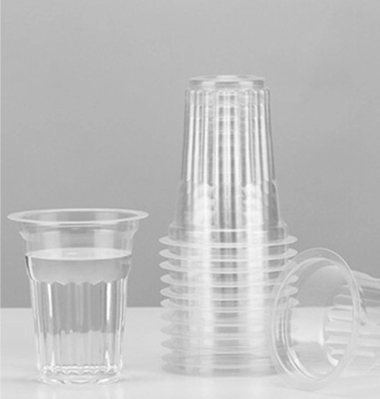
High clarity PP/PET cup thermoforming lines optimized for retail beverage branding.
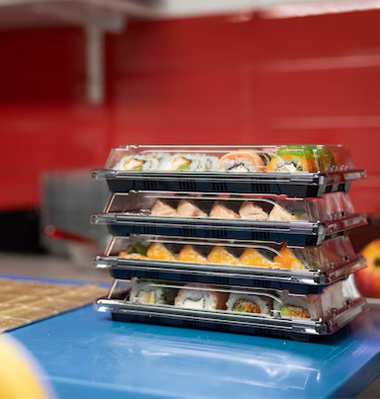
Sturdy PP/PET barrier trays designed for automated fresh-food packaging and sealing.
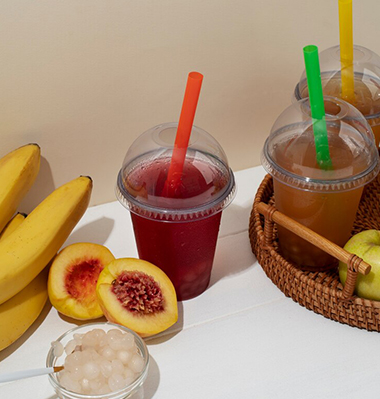
Thin-wall, high-yield container production optimized for fast-food applications.
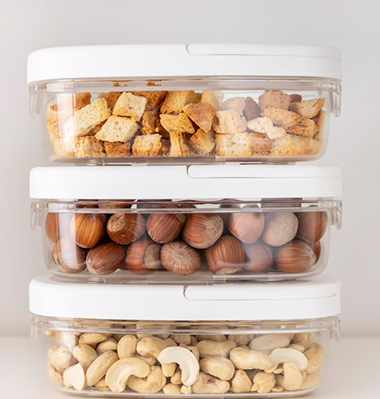
Robust agricultural packaging trays designed to protect contents during transport.
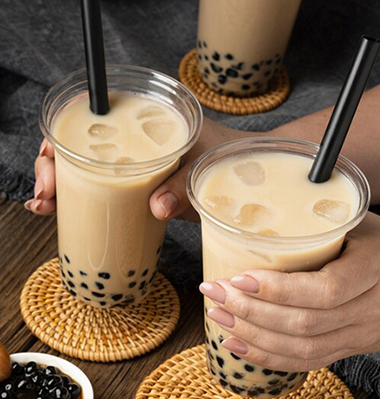
PP sheet extrusion coupled with offset print decorations for global bubble tea chains.
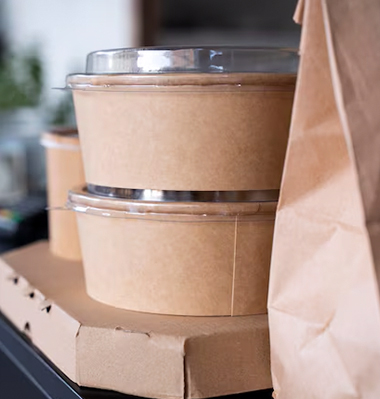
Deep-draw thermoforming systems for multi-compartment clamshell containers.
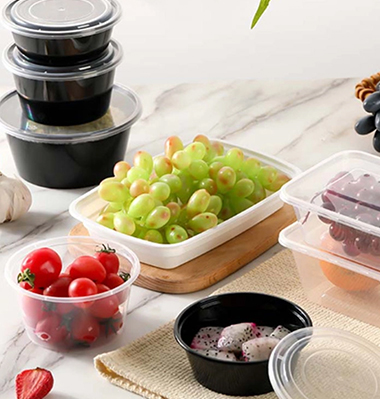
Integrated production setups configured to comply with international health standards.

On-site installation, commissioning support, and scheduled preventative maintenance.
Get in touch with our engineering team to discuss customized layout requirements.
As a specialized machinery manufacturer, Wenzhou Yicai Machinery Technology Co., LTD. provides end-to-end design and manufacturing solutions for your production facility. Whether you are upgrading an existing line or building a new factory, we can assist with project planning, sheet extrusion calibration, printing configuration, and automated packaging lines.
You are welcome to visit our manufacturing facility in Zhejiang, China, to inspect our machines in person.
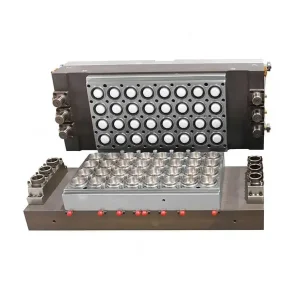
Explore our industrial range of molds, printing, and multi-row packaging machines.
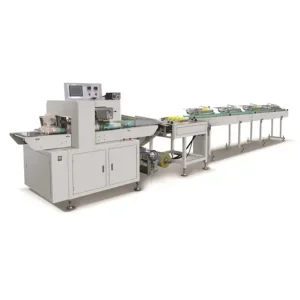
 Yicai Machinery