An in-depth analysis of processing configurations, industrial dynamics, and material innovations driving modern forming equipment design.
The global thermoforming and sheet extrusion industry is undergoing a structural paradigm shift. Driven by rigorous international policies targeting environmental footprints and the rising demand for lightweight, high-barrier packaging, plastic container producers are moving rapidly toward automation. Modern forming equipment is no longer evaluated solely by raw mechanical speed; criteria such as thermal distribution consistency, inline trimming precision, and scrap recovery rates are now the primary indicators of production line efficiency.
In the context of international trade and supply chain resilience, China's forming equipment factories have transitioned from low-cost providers to sophisticated design and manufacturing hubs. By integrating German-tier mechanical principles, Japanese servo-control responsiveness, and local vertical supply structures, manufacturers like Wenzhou Yicai Machinery Technology Co., LTD. provide high-speed multi-station thermoforming platforms that rival legacy Western systems in build quality, performance, and uptime.
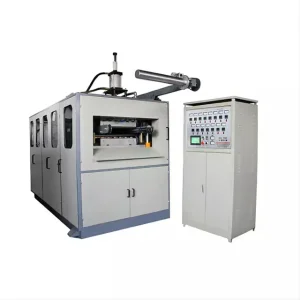
To achieve high levels of precision, modern systems implement multi-station mechanisms where heating, forming, cutting, and stacking are integrated into a single continuous workflow. For companies manufacturing products such as high-clarity PET cups, PP yogurt containers, and PLA compostable lids, maintaining micron-level accuracy across wide forming areas is essential. This requires specialized tool designs, optimized material heating, and robust frame structures capable of absorbing high dynamic clamping forces.
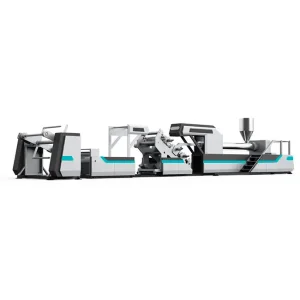
Furthermore, the growth of co-extruded sheet lines highlights the industry's focus on material optimization. Multi-layer co-extrusion technology enables processors to incorporate regrind or barrier resins (like EVOH) in structural layers, reducing raw material costs while extending food shelf life. The integration of offline and inline recycling systems directly impacts modern plant profitability.
Wenzhou Yicai Machinery Technology Co., LTD. — Formerly Ruian Seven Star Machinery, established in 2010.
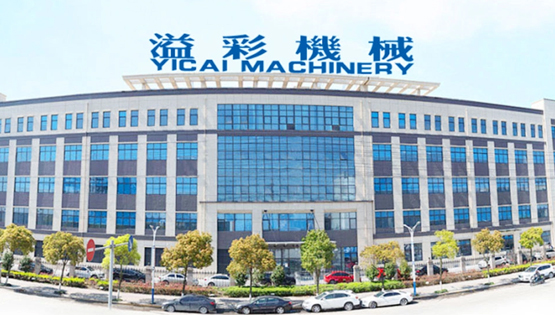
Wenzhou Yicai Machinery Technology Co., LTD., located in Pingyang County, Wenzhou City, Zhejiang Province, is an engineering enterprise specializing in industrial plastics processing systems. Established in 2010 as Ruian Seven Star Machinery, the company reorganized in 2022 to target global markets, upgrading its production technologies and R&D infrastructure.
The machinery manufacturing industry is defined by high technological complexity and specialized process integration. Yicai Machinery integrates structural design, CNC machining, welding, precision assembly, and automation control. By managing key stages of the manufacturing process in-house, the company ensures system reliability and long-term durability.
The company's corporate vision is "to be the industry's leading creator and service provider, to continuously promote the development of the industry and achieve sustainable development goals." As international environmental regulations tighten, the company focuses on energy conservation and system compatibility with bio-based materials like PLA.
By working with certified supply chain partners and using high-grade components (including Siemens PLCs, Omron thermoregulators, and Yaskawa servo drives), Yicai Machinery delivers reliable production platforms that minimize unexpected downtime for global packaging lines.
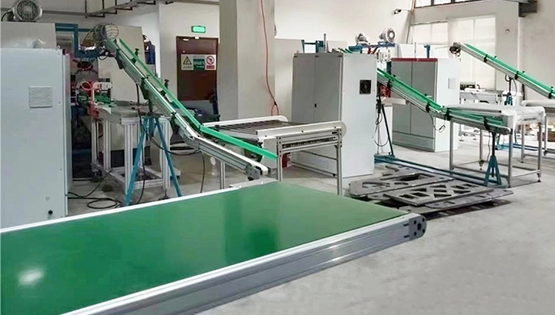
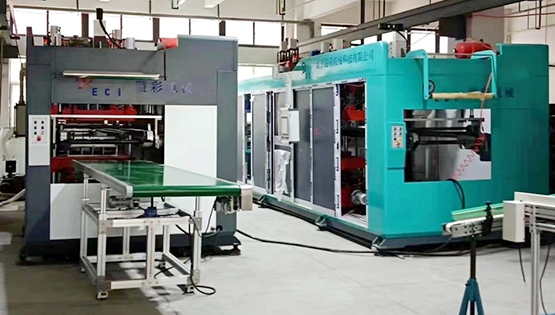
Precision-engineered systems designed for high performance, ease of maintenance, and energy efficiency.
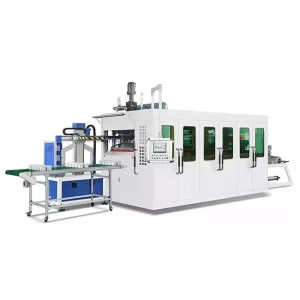
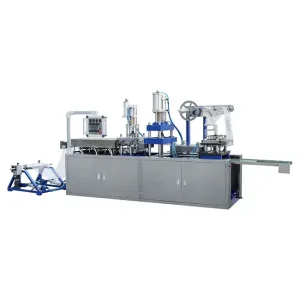
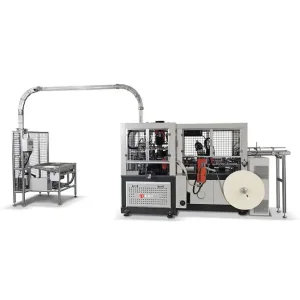
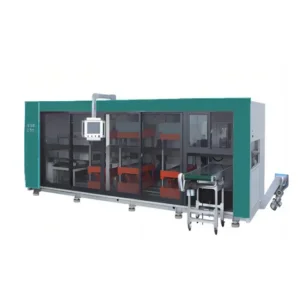
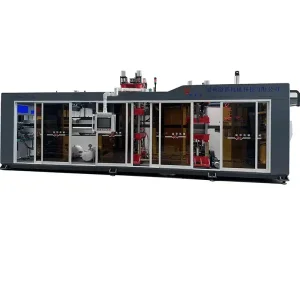
Multi-station (forming, punching, cutting, and stacking) systems that utilize high-speed servo actuators. Optimized for reliable processing of PP, PS, PET, PVC, and PLA sheets.
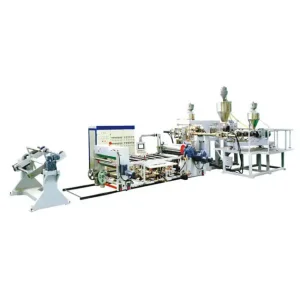
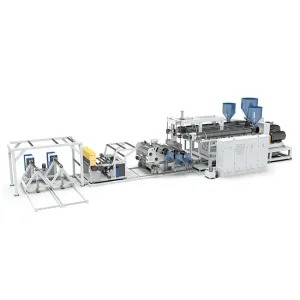
Single and multi-layer co-extrusion systems designed for optimal polymer melting and uniform thickness control. Essential for downstream rigid packaging production.
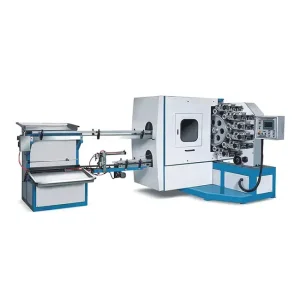
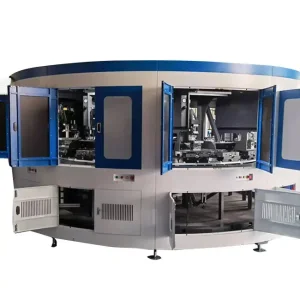
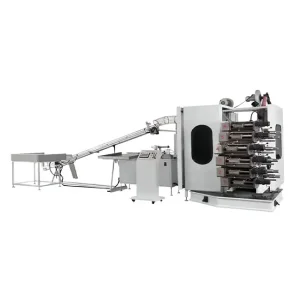
High-speed curved printing equipment designed for cups, buckets, and containers. Delivers multi-color registration and ink curing at industrial production speeds.
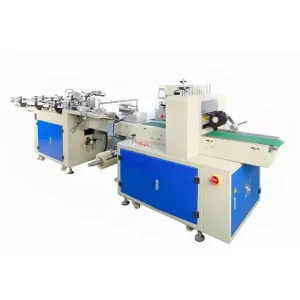
End-of-line packaging systems that group, count, stack, and wrap containers. Reduces manual labor requirements and maintains sanitary production conditions.
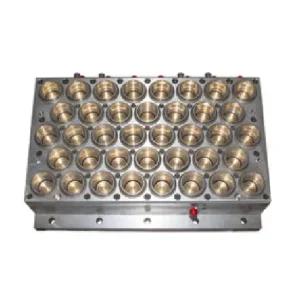
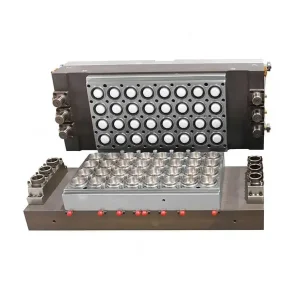
Aluminum and steel tooling equipped with efficient water cooling configurations. Ensures dimensional consistency, fast cycle times, and clean product separation.
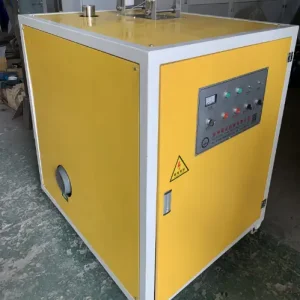
Direct inline recovery systems designed for edge scrap material. Automatically processes and feeds skeleton waste back to the extruder to reduce material costs.
A Win-Win Business Philosophy Rooted in Technical Excellence & Global Support
We configure machinery based on product drawings, material choices, and throughput requirements. Custom options include specialized mold configurations, color themes, and regional component selections.
Our engineering team designs systems that transition manual operations to semi-automatic and fully automated processes, improving throughput and reducing labor dependencies.
We source critical electronic and pneumatic components from reliable international brands, tracking key manufacturing stages to ensure assembly precision and compliance.
Our technical team provides calculations, material evaluations, and plant layout suggestions to help buyers optimize factory capacity before procurement.
We design equipment to meet global electrical standards (including UL, CE, and CSA) and export to international markets with coordinated logistics support.
We provide remote technical diagnostics, tooling adjustment support, and fast dispatch of replacement parts to maintain system uptime.
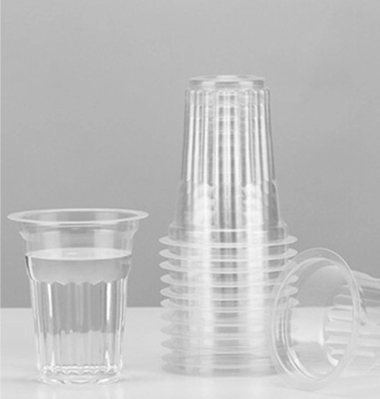
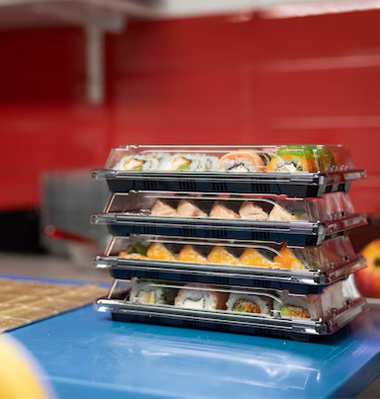
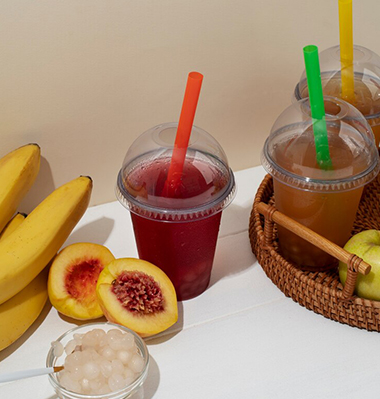
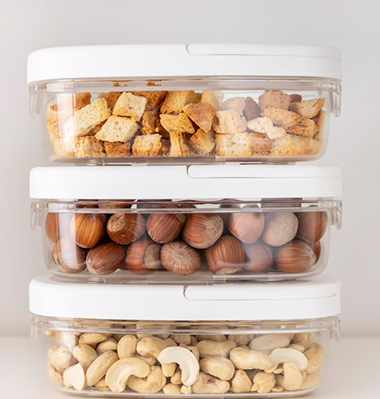
Providing high-output manufacturing solutions across key rigid packaging industries.


Expected engineering milestones and development trends in the plastics forming machinery sector.
Development of ceramic heating configurations managed by closed-loop temperature systems. Aims to keep temperature variances within 0.5°C to reduce startup waste when processing PLA.
Replacing mechanical cams with multi-axis synchronized servo systems. Designed to increase speeds up to 45 cycles per minute while reducing system wear and maintenance requirements.
Implementing tool change mechanisms that reduce changeover times for standard multi-station formers from hours to less than 30 minutes, supporting short-run customization.
Integrating cloud-based production reporting, predictive maintenance alerts, and remote software diagnostics via secure OPC UA networks for global installations.
Key information regarding equipment configurations, installation, and raw material compatibility.
Our thermoforming systems are configured to process standard thermoforming polymers, including polypropylene (PP), polystyrene (PS), polyethylene terephthalate (PET), polyvinyl chloride (PVC), and polylactic acid (PLA). Each material group requires specific heating setups, tooling clearances, and stripping mechanisms, which are integrated into the machine design based on project specifications.
The edge trim system is positioned immediately after the cutting/punching station. Skeleton scrap is guided into a high-speed online crusher, which reduces the scrap to uniform regrind. This material is then pneumatically transferred to a mixing hopper at the sheet extruder, allowing direct reuse without manual handling or risk of contamination.
Our multi-color curved offset presses feature fine axial and radial adjustments for each ink unit, allowing precise plate alignment. Solid cast-iron base structures reduce vibrations, while UV or infrared curing lamps dry the inks instantly, maintaining registration stability at high output rates.
Standard mold designs in structural aluminum with basic cooling configurations take approximately 30 to 45 days, including design validation and material selection. More complex tooling (such as multi-row tilting stacker molds or co-injection dies) requires 50 to 60 days, inclusive of prototype testing and quality control.
Initial troubleshooting is performed remotely via PLC network connections, allowing our engineers to adjust settings and diagnose errors. If physical intervention is required, we supply drawings for locally sourcable parts, dispatch custom replacements from our central warehouse, or arrange for technical personnel to visit the site for setup and training.
Discuss your processing requirements, material inputs, and structural product configurations with our team.
Wenzhou Yicai Machinery Technology Co., LTD. provides machinery layout configurations, electrical panel alignment schematics, and mechanical specifications.
Contact us to discuss your structural design profiles and output metrics.
 Yicai Machinery