Explore our core machinery, precision tooling, and high-performance custom industrial solutions built to order.
Leveraging state-of-the-art infrastructure to deliver industry-leading output and custom technical control.
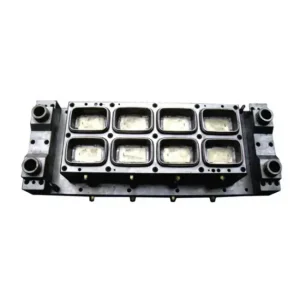
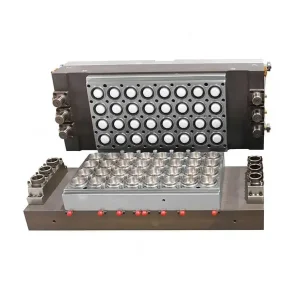
In modern mass production, the selection of high-quality injection molding mold suppliers and factories serves as the dividing line between high-margin efficiency and constant operational disruption. Precision tooling is not simply a machined block of steel; it is the thermal and structural engine that governs cycle times, material yield, scrap rate, and product consistency. Across industries ranging from rigid food packaging to medical devices and automotive sub-assemblies, industrial manufacturers demand tooling that exhibits zero-tolerance alignment, exceptional cooling dynamics, and steel chemistry built to withstand millions of continuous clamping cycles.
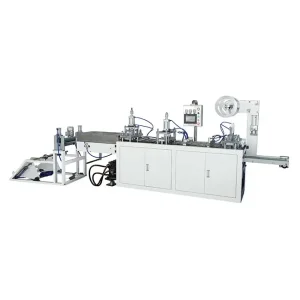
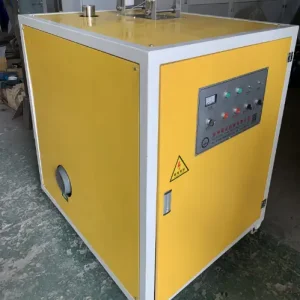
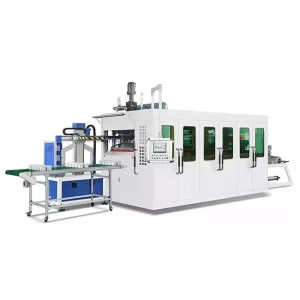
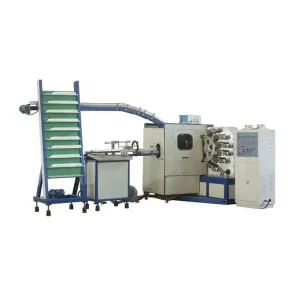
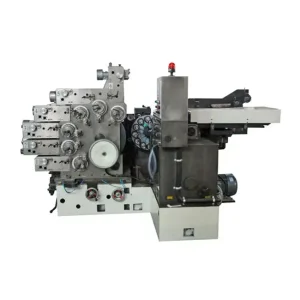
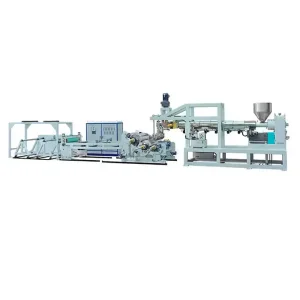
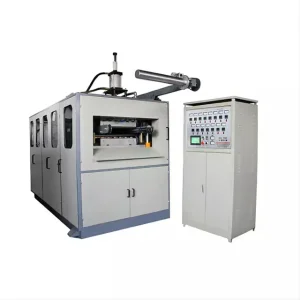
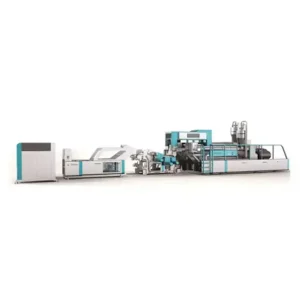
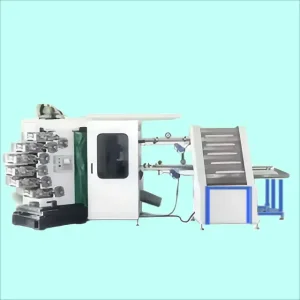
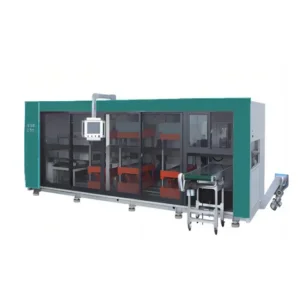
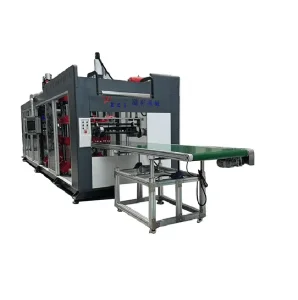
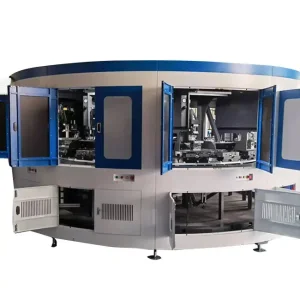
The mechanical sector is highly technology-intensive, requiring deep vertical integration of CAD/CAM design, computer-aided engineering (CAE) mold-flow simulations, metallurgical expertise, and high-speed multi-axis CNC machining. At Wenzhou Yicai Machinery Technology Co., LTD. (formerly known as Ruian Seven Star Machinery, established in 2010), we have spent over a decade mastering this interplay. By expanding our manufacturing capability across both custom tooling and complete automation systems—including thermoforming machines, plastic sheet extruders, and cup printing machines—we offer our clients an integrated ecosystem where machines and tooling are engineered to function as a unified, optimized production cell.
Information Gain Insight: Selecting mold tooling without analyzing the thermal efficiency of the cooling lines is the leading cause of part warpage and slow cycle times. Conformal cooling channels manufactured via metal 3D printing or complex 5-axis CNC machining can reduce cooling duration by up to 30%, directly converting to millions of additional units produced annually.
To source effectively, global procurement teams must understand the metallurgical distinctions and mechanical layouts that differentiate commercial-grade tooling. The selection of core and cavity steels directly correlates with the polymer being processed and the target output volume:
Custom-contoured channels that follow the exact geometry of the mold cavity, preventing localized hot-spots and eliminating thermal warping in thin-wall applications.
Utilizing sequential valve gating to ensure balanced cavity filling, zero waste runner systems, and flawless surface finishes on multi-cavity thermoforming and injection parts.
Modular tooling designs that allow machine operators to swap cavity profiles in under 30 minutes, drastically cutting downtime on short-run production schedules.
The mold manufacturing sector is shifting rapidly from conventional machining to cyber-physical production systems. At Wenzhou Yicai Machinery Technology, our technical roadmap guides our development toward three core technological frontiers:
Integrating micro-sensors directly within the mold cavity structure. These sensors feed pressure and temperature data in real-time to the machine controller, allowing automated clamping and injection adjustments to prevent flash or short-shots before they happen.
Combining traditional high-speed CNC milling with metal 3D printing. By growing the core of the mold layer-by-layer, we can construct internal cooling spirals that are impossible to machine using standard drills, bringing cycle times down for complex shapes.
Utilizing machine learning models trained on thousands of physical mold runs to automatically alter CAD profiles. The software predicts polymer shrinkage behaviors and adjusts the steel dimensions to guarantee absolute geometric fidelity upon cooling.
Precision tooling is not a one-size-fits-all product. Different industrial sectors and localized geographic environments place unique physical demands on molds and machinery:
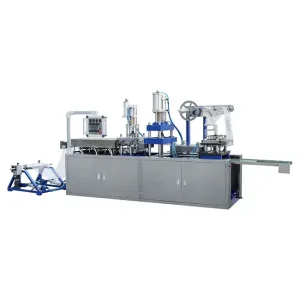
For fast-moving consumer goods (FMCG), such as disposable plastic lids, yogurt cups, and fast-food boxes, production is measured in millions of cycles per month. The tooling must withstand constant high-speed movement without misalignment. In these scenarios, air venting layouts are crucial. Without micro-venting channels, gas trap defects occur, leading to burned edges on plastic cup rims. Furthermore, tooling configured for our Disposable Plastic Lid Thermoforming Machines utilizes integrated cutting rings that shear the formed plastic cleanly, leaving no burrs or sharp edges that could compromise the final packaging lid fit.
As global regulations push for eco-friendly alternatives, factories are retrofitting lines for Polylactic Acid (PLA) and other bio-resins. PLA is highly temperature-sensitive and has a narrow processing window compared to PP or PET. Molds designed for PLA must integrate highly precise heating bands and optimized hot-runner nozzles to prevent material degradation. Tooling must also be treated with special coatings (such as physical vapor deposition - PVD chrome or titanium nitride) to prevent sticky bio-polymers from adhering to the cavity surfaces during ejection.
Pipette tips, Petri dishes, and multi-well assay plates require zero contamination and micron-level accuracy. Molds deployed in cleanroom environments cannot use standard lubricants. The engineering team must integrate self-lubricating graphite wear plates, hard-coat surface treatments, and pneumatic ejection mechanisms that eliminate the risk of hydraulic oil mist contaminating the medical parts.
Why sourcing from Wenzhou Yicai Machinery Technology guarantees cost, quality, and delivery speed.
The decision to partner with an injection mold factory in China is no longer just about low labor costs. The true advantage lies in the complete industrial ecosystem integration. In regions like Wenzhou, Zhejiang, all required components—from raw steel stockists, heat treatment facilities, standard component suppliers (like DME, HASCO, and YUDO equivalents), to high-precision 5-axis machining shops—are located within a 50-kilometer radius.
This density of specialized manufacturing capacity means Wenzhou Yicai Machinery Technology can compress tooling lead times by 30% to 50% compared to Western European or North American toolmakers. A complex multi-cavity thermoforming mold that would require 16 to 20 weeks to design, build, and test elsewhere can be completed, run through mold-flow verification, and shipped from our factory in 8 to 10 weeks.
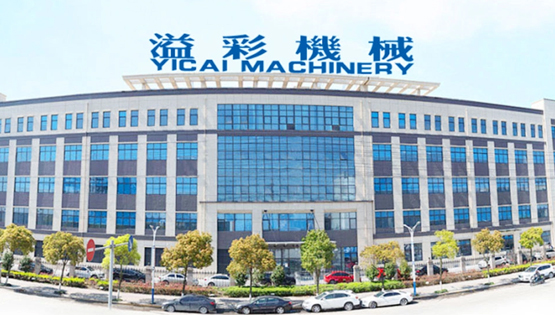
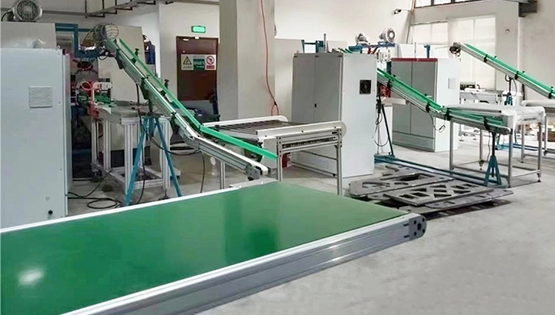
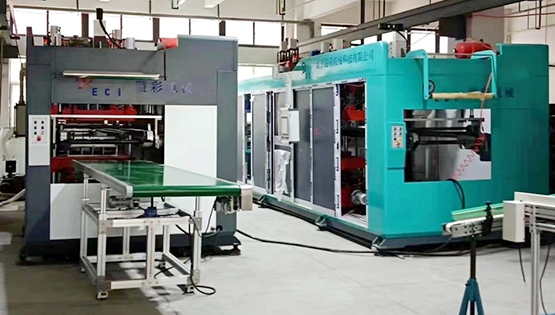
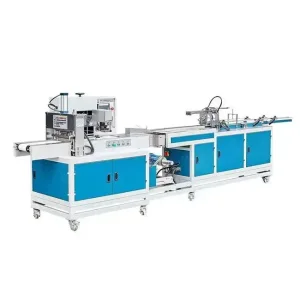
Additionally, our facility's 3,000-square-meter footprint is optimized for dual-track engineering. We do not just build the molds; we build the plastic sheet extruders, cup printing machinery, and thermoforming machinery. This vertical integration allows us to perform full-run factory testing of the mold installed directly on the matching machine before it is crated and shipped. The client receives a pre-validated, plug-and-play production system, eliminating weeks of commissioning delays on their production floor.
Operating across international borders demands strict adherence to engineering standards and safety certifications. We ensure that our machines and molds conform to the regulatory standards of the importing territory:
To ensure ongoing operational stability, Wenzhou Yicai offers global technical support, including remote VPN diagnostics for our PLC-controlled thermoforming lines, rapid shipping of spare parts (custom ejector pins, heater bands, cut-off rings), and onsite installation assistance. Whether you are a packaging manufacturer in the Americas, Europe, or Southeast Asia, our team works across time zones to resolve technical queries.
Direct answers from our senior tooling design team regarding mold specifications, tolerances, and configurations.
Explore our industrial sheet extruders, high-speed multi-station thermoformers, and precision molds.
Ready to optimize your production efficiency? Get in touch with our engineering and sales office today to discuss your technical drawings, mold parameters, and machinery integration requirements.
Provide details on your plastic material, target wall thickness, and desired cycle times. Our lead design engineer will return a complete mechanical analysis and proposal within 24 hours.
 Yicai Machinery