Direct supply lines and specialized engineering designs optimized for maximum operational throughput, high barrier protection, and food-safe applications.
Wenzhou Yicai Machinery Technology Co., LTD. — Driving reliability, automation, and material optimization in the global meal container supply chain.
In the modern food logistics, food service, and retail delivery sectors, the demand for high-quality meal packaging containers is no longer just about containment—it is a sophisticated science of preservation, logistics safety, consumer experience, and environmental compliance. To consistently supply premium PP, PET, CPET, and PLA food containers, the production ecosystem requires a flawless synergy between mechanical engineering, mold design, polymer co-extrusion technology, and high-speed multi-station thermoforming processes.
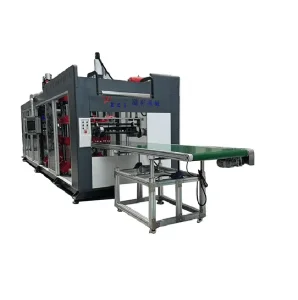
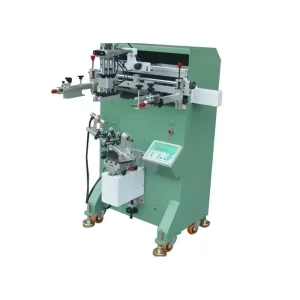
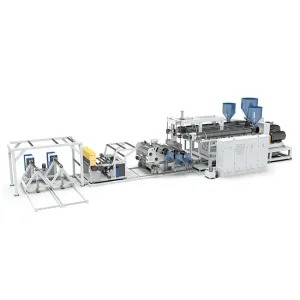
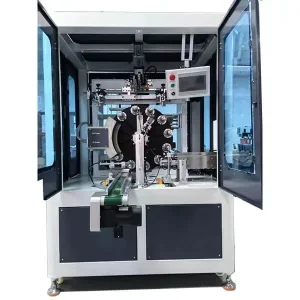
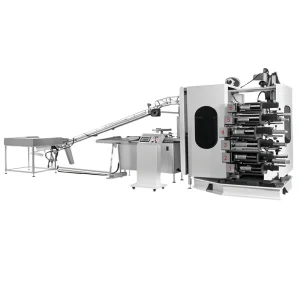
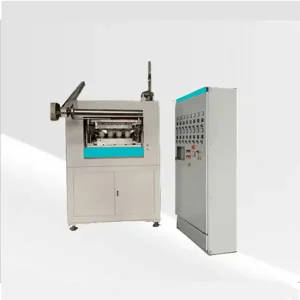
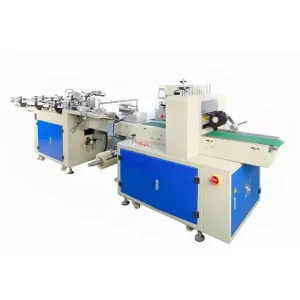
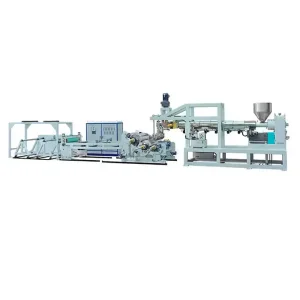
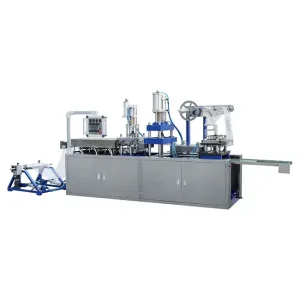
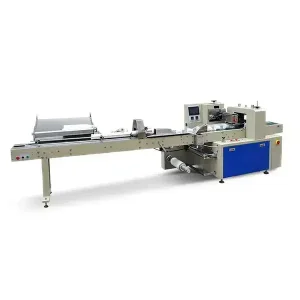
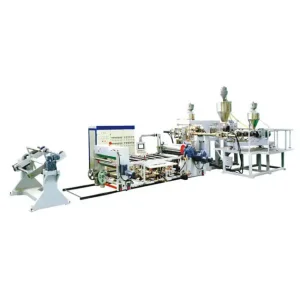
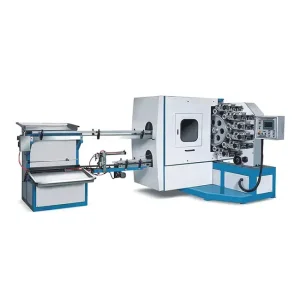
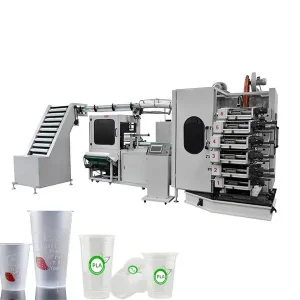
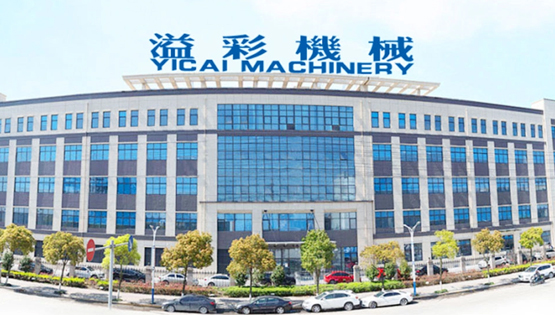
As an industry-leading manufacturing force, Wenzhou Yicai Machinery Technology Co., LTD. (formerly known as "Ruian Seven Star Machinery", established in 2010 and updated in 2022) serves as the core engineering power behind top-tier meal packaging container manufacturers. Located in Zhejiang Province—one of China’s premier coastal industrial hubs—we utilize our advanced multi-station pressure thermoforming, plastic sheet extrusion, and curved screen offset printing technology to deliver turn-key manufacturing setups and optimized tooling systems globally.
How direct integration with China's leading coastal packaging cluster optimizes production costs, scale, and time-to-market.
By housing polymer formulation, sheet extrusion, thermoform molding, offset printing, and packaging scrap recycling inline, Chinese factories reduce intermediate logistics, cutting lead times for container shipments and optimizing raw material usage ratios.
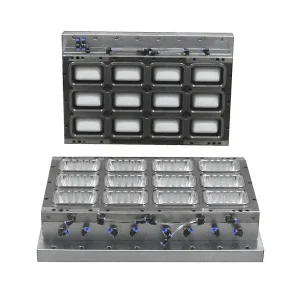
Leveraging high-end CNC centers and advanced mold-making technology, factories in Zhejiang construct complex multi-cavity thermoforming molds with built-in trimming features. This yields clean cuts, prevents sharp margins, and ensures secure lid fits.
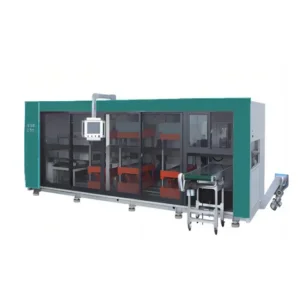
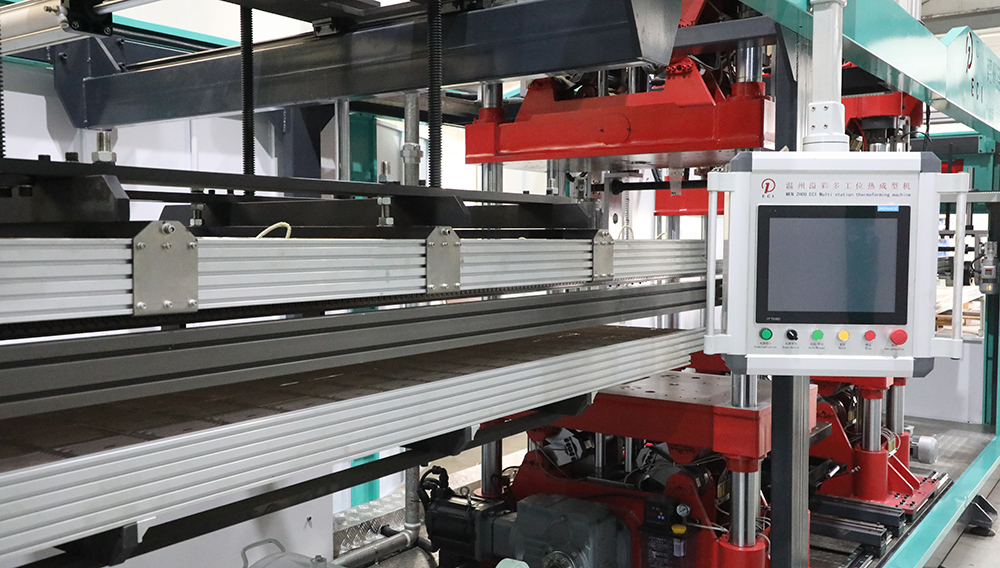
Equipped with high-speed full-servo multi-station positive and negative pressure machines, our partner plants process tons of PP and PET materials daily, easily handling seasonal surges for global fast-food chains and catering companies.
Optimized systems mapped to mechanical specifications for maximum energy efficiency, compliance, and product longevity.
High-performance meal packaging container manufacturing requires an direct link between production equipment specifications and final container properties. Below is an overview of how machine processes directly drive container capabilities:
| Container Material Type | Key Machinery Applied | Ideal Application Scenario | Key Container Advantages |
|---|---|---|---|
| PP (Polypropylene) | Multi-station Thermoforming Machine + Single/Multi-layer Extrusion | Microwaveable ready-meals, hot soup containment, institutional school catering. | Heat resistant up to 120°C, microwave safe, durable structural integrity. |
| PET (Polyethylene Terephthalate) | Co-Extruded Sheet Machine + Positive/Negative Pressure Forming | Cold salads, fruit platters, fresh bakery domes, and transparent juice cups. | Ultra-high clarity, excellent oxygen barrier properties, rigid shatterproof structures. |
| CPET (Crystalline PET) | High-temperature Tooling Thermoforming Mold & Extruders | Dual-ovenable meals (microwave and conventional oven cooking up to 220°C). | Extreme temperature tolerance (-40°C to 220°C), retains impact strength. |
| PLA (Polylactic Acid) / Bioplastics | Full-Servo Thermoforming Systems & Specialized Screw Extruders | Eco-conscious restaurant brands, corporate campus dining, green events. | 100% bio-based, industrially compostable, lower carbon footprint. |
Custom designs customized for the distinct operational challenges of global catering channels and logistics networks.
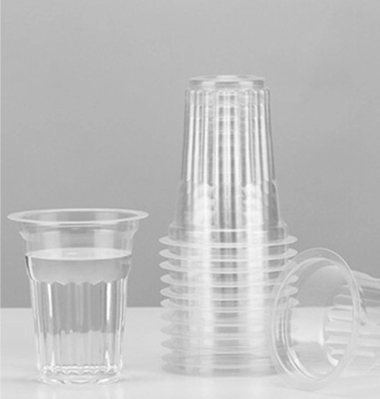
High-clarity PP and PET cups designed with robust rolled rims to ensure leak-proof fits with dome and flat lids. Excellent for high-speed automated filling lines.
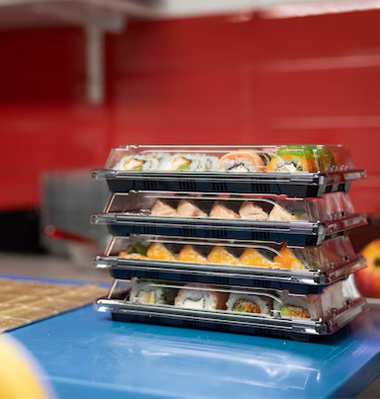
Designed with rigid structural dividers to prevent food cross-contamination. Ideal for ready-to-eat airline catering, school dining, and meal prep companies.
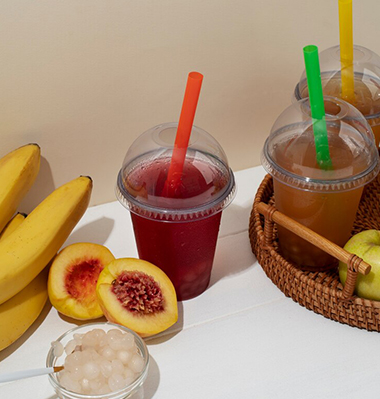
Extruded and thermoformed structures that resist stress-cracking. Offers superior oxygen barrier protection to maximize juice freshness and shelf-life.
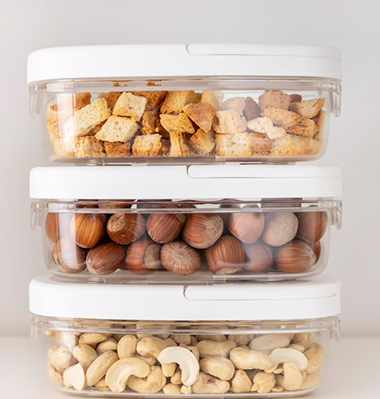
Vented and highly transparent structures that support continuous airflow, keeping berries, microgreens, and delicate produce fresh during long-haul transport.
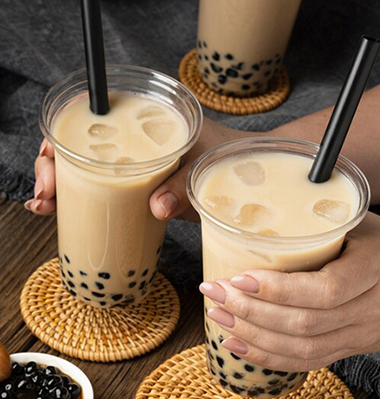
Containers designed with specialized flange thickness for flawless adhesion to plastic heat-sealing film membranes, preventing leaks during transit.
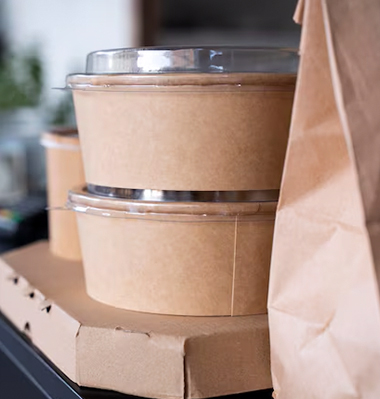
Thick-walled PP containers featuring integrated locking tabs and steam vents. Built to stay closed, stay stackable, and keep meals hot during deliveries.
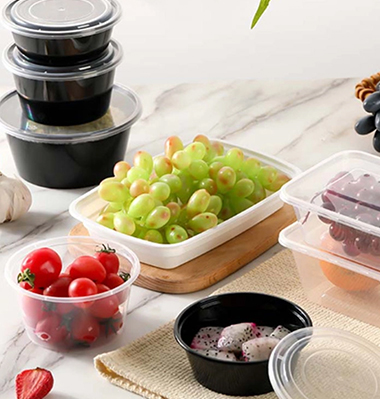
Co-extruded barrier layers that hold inert gas mixes. Extends the shelf life of fresh meats, seafood, and pasta from a few days to several weeks.

Heavy-gauge plastic bowls with printed branding. Engineered for quick stacking, nesting, and high durability in industrial catering kitchens.
Aligning production capabilities with consumer environmental expectations and strict regional regulatory changes.
To meet global circular economy goals, packaging is shifting toward monomaterial structures like pure PP or PET. Our co-extrusion systems produce sheets that maintain high barrier properties without multi-material laminates, making them easier to recycle.
Thin-wall design is essential for material cost savings. Utilizing precision-machined molds paired with dual pressure forming (positive air pressure combined with vacuum suction) lets manufacturers produce ultra-thin containers without sacrificing structural strength.
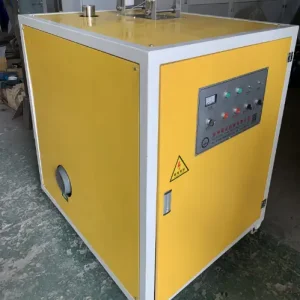
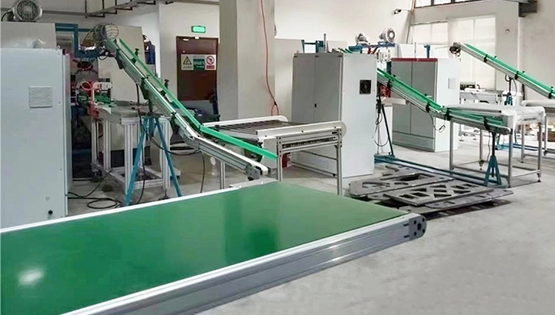
Thermoforming leaves grid skeletons that can waste up to 30-40% of the original plastic sheet. Using an online edge material crusher allows factories to grind, clean, and pipe scrap back into the extruder feed on the fly, eliminating raw material waste.
Key checkpoints to evaluate when auditing high-volume container suppliers and machinery lines.
B2B buyers procurement processes must confirm that a vendor's equipment and logistics chain meet strict international standards. Below is a structured checklist to guide factory audits:
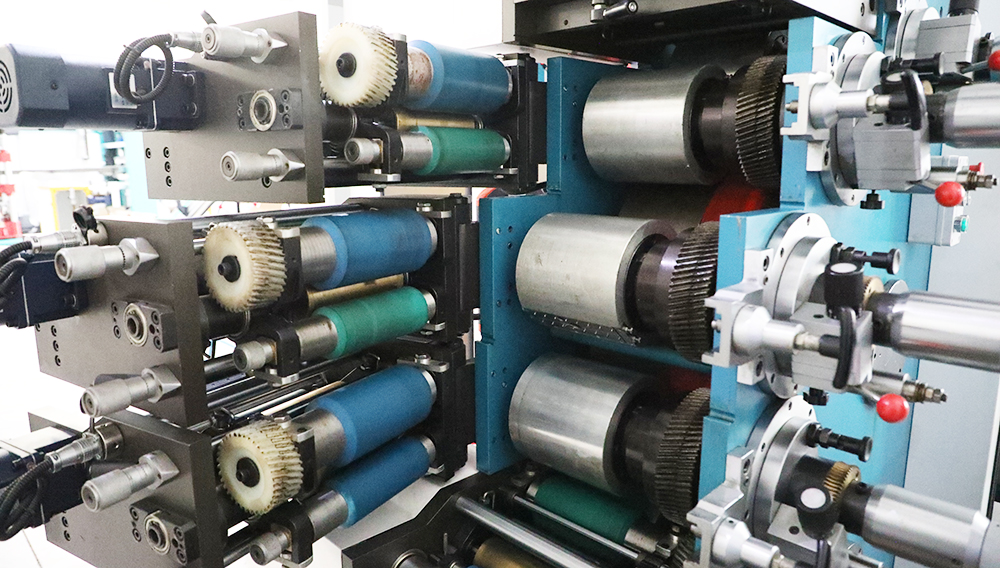
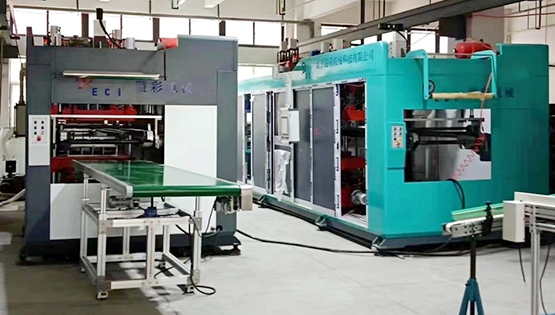
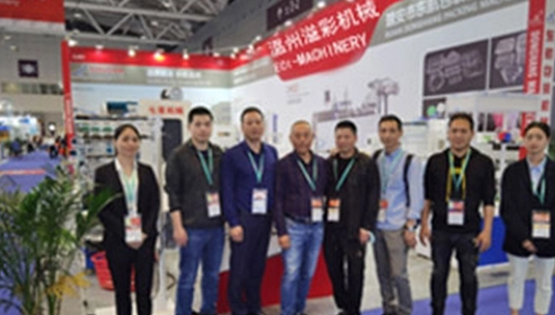
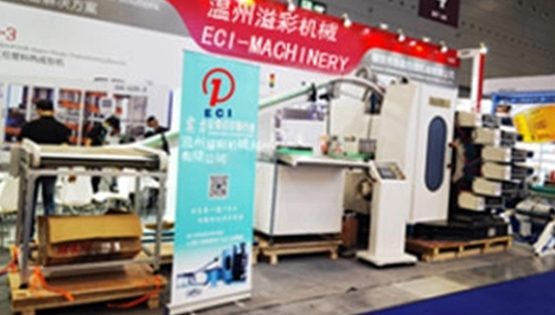
An inside look at Wenzhou Yicai Machinery's production assembly lines, testing bays, and precision machinery workshops.
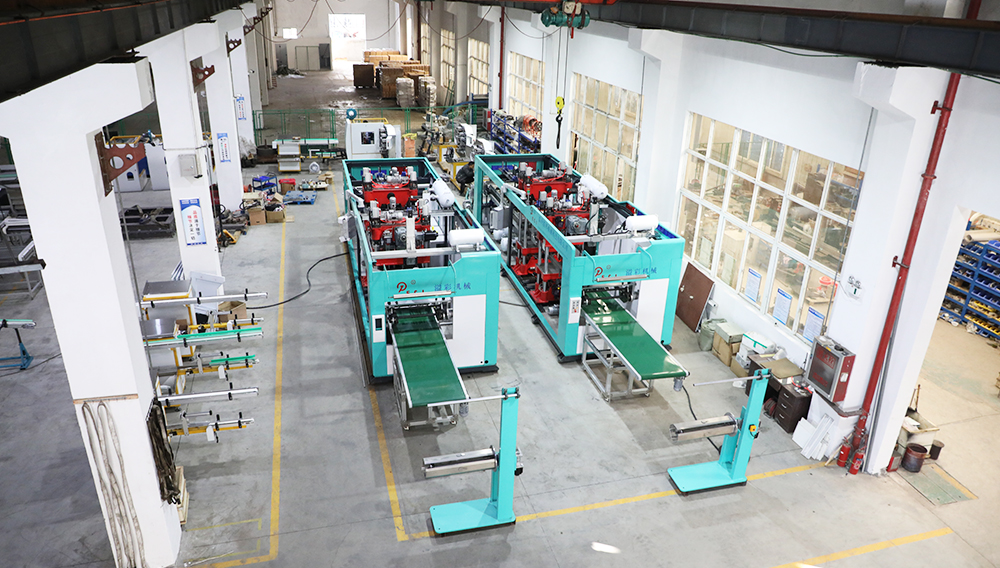
Detailed technical answers to common queries regarding container manufacturing, material options, and supply logistics.
PP (Polypropylene) is the industry standard for microwave-safe meal containers because it withstands temperatures up to 120°C (248°F) without structural warping or chemical migration. To guarantee a leak-proof seal, the container's flange design and matching lid must be produced using high-precision thermoforming molds. Positive-pressure air thermoforming is recommended over simple vacuum molding to ensure crisp, consistent snap-fit lips.
Traditional vacuum-only forming pulls sheets from one direction, which can lead to thin corners and uneven walls on deep-draw meal trays. Positive and negative pressure thermoforming combines mechanical plug assists, vacuum suction, and compressed air (typically 4-6 bar) to push the sheet firmly against the mold. This ensures consistent wall thickness, high structural strength, crisp product details, and faster production cycles.
Standard APET (Amorphous PET) containers are designed for cold storage and start to soften around 60°C (140°F), making them unsuitable for hot filling or microwave use. However, they offer excellent clarity and oxygen barriers for cold food. For dual-ovenable applications (both microwave and conventional oven heating), you must use CPET (Crystalline PET), which uses specialized nucleating agents and heat-set molds during thermoforming to withstand temperatures up to 220°C (428°F).
Cost savings come from regional raw material access, integrated supply chains, and advanced inline automation. Zhejiang coastal clusters bring sheet extrusion, thermoforming, and multi-color printing together under one roof. Automated inline scrap recycling systems grind and reuse scrap sheet immediately, reducing raw material waste and lowering manufacturing costs.
We offer full OEM and ODM services. Customizations include custom sizes, compartmental layouts, colored plastic formulations, custom embossed logos, and specialized lid-fit styles. Additionally, Wenzhou Yicai Machinery supplies curved offset and screen-printing equipment, enabling factories to print crisp, multi-color branding directly onto container surfaces.
Providing global buyers with the precise machinery, molds, and tooling needed to run high-volume, reliable production lines.
Get in touch with Wenzhou Yicai Machinery to discuss custom tooling setups, machinery parameters, and global container packaging solutions.
Our dedicated technical support and sales advisory teams are here to help you evaluate design options, calculate machine throughput, and establish reliable container manufacturing lines.
 Yicai Machinery