 Yicai Machinery
Whitepaper: Optimizing Single Row Cup Packaging Operations in High-Throughput Manufacturing Environments
In the contemporary industrial landscape, packaging efficiency is a critical determinant of operational profitability and supply chain viability. The demand for automated, hygienic, and damage-free packaging of disposable containers has driven massive innovations in downstream machinery. Specifically, ODM Single Row Cup Packaging Machines represent the technical standard for facilities processing plastic cups (PP, PET, PS, PLA) and paper alternatives. This whitepaper analyzes the engineering dynamics, integration pathways, and global market positioning of single-row packaging lines, with a direct focus on optimizing workflow throughput and materials lifecycle.
The Core Challenge: Maintaining Hygiene, Speed, and Material Integrity
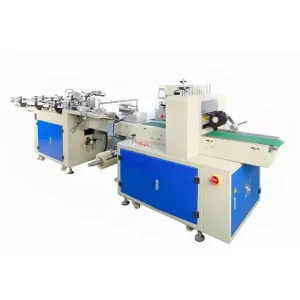
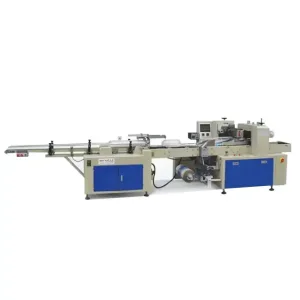
Traditional multi-row packaging systems frequently struggle with operational bottlenecks during line conversions and automated sorting. When processing delicate polymers or compostable polylactic acid (PLA) sheets, inconsistencies in thermal sealing and mechanical feed rates can cause structural deformation or seal failures. Single-row cup packaging processes eliminate these friction points by aligning thermoformed cups into a linear path, verifying structural integrity via optical sensors, and wrapping them in precisely metered film sleeves.
1. Macro Industry Solutions & System Integration
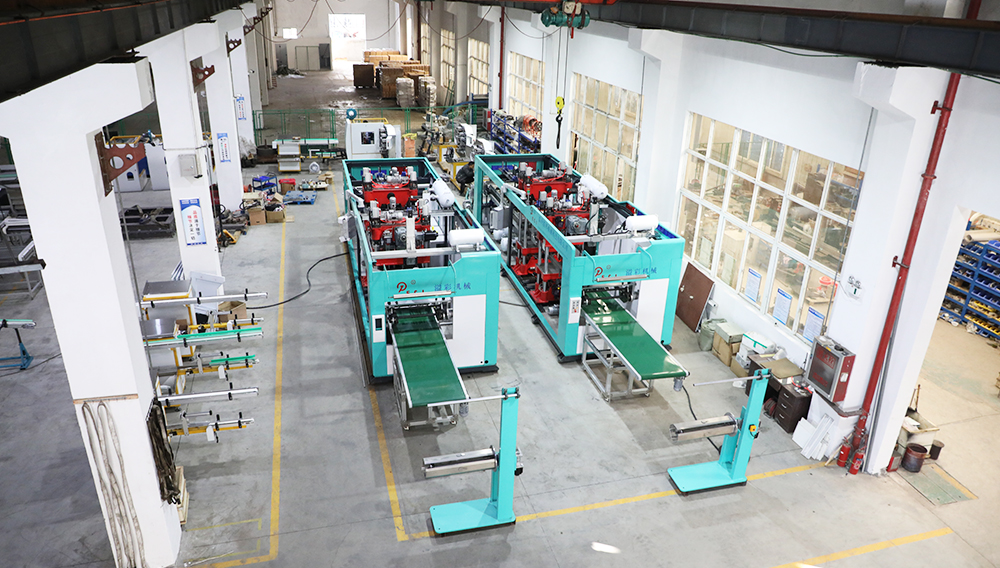
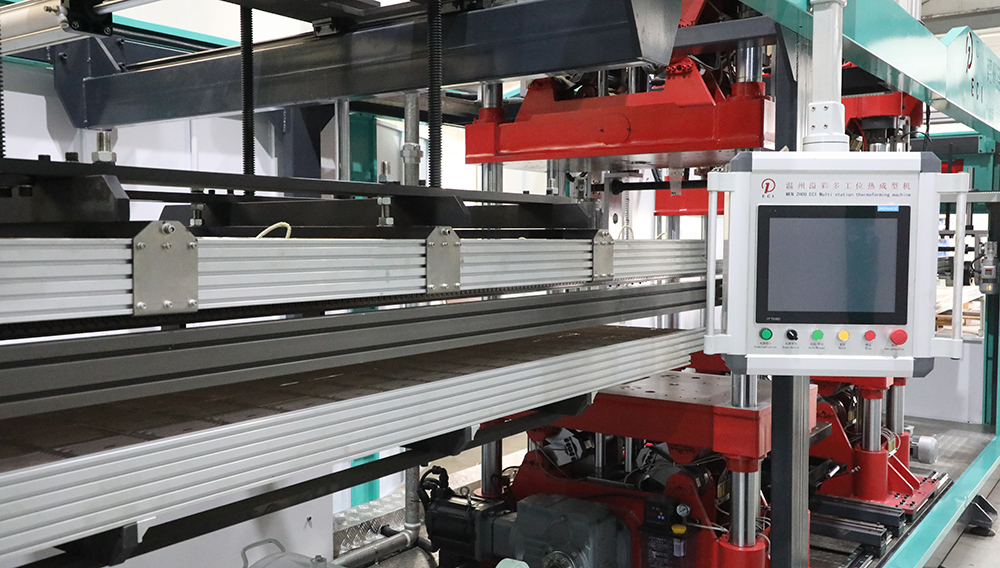
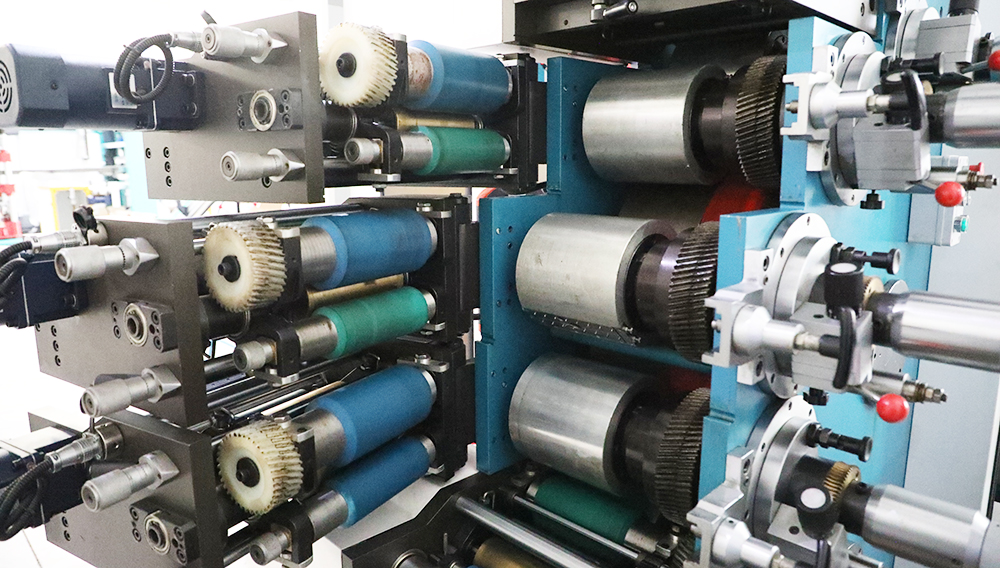
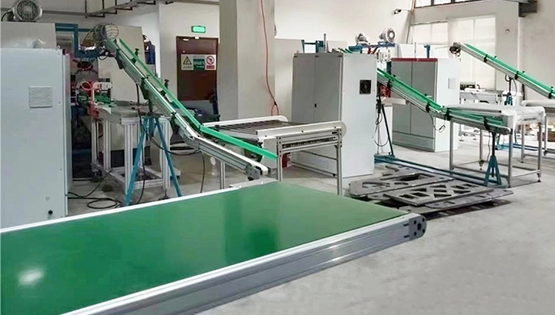
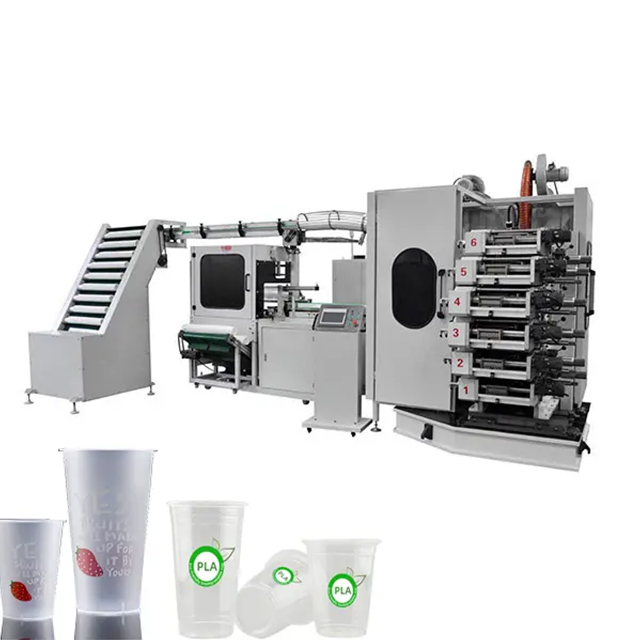
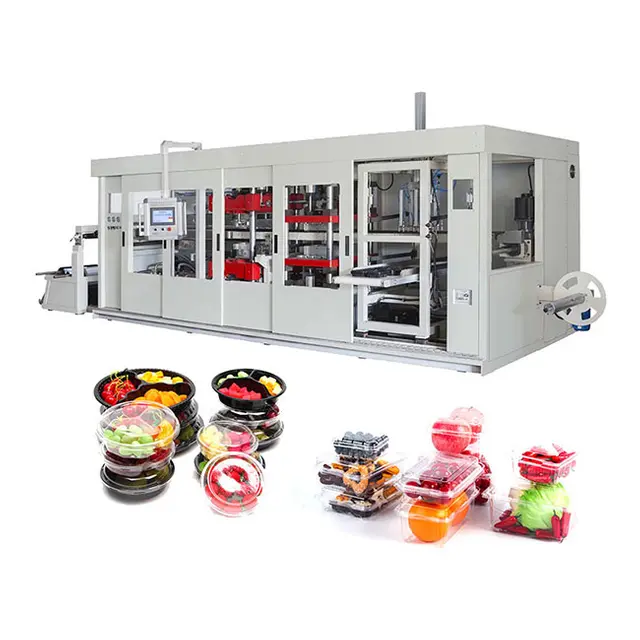
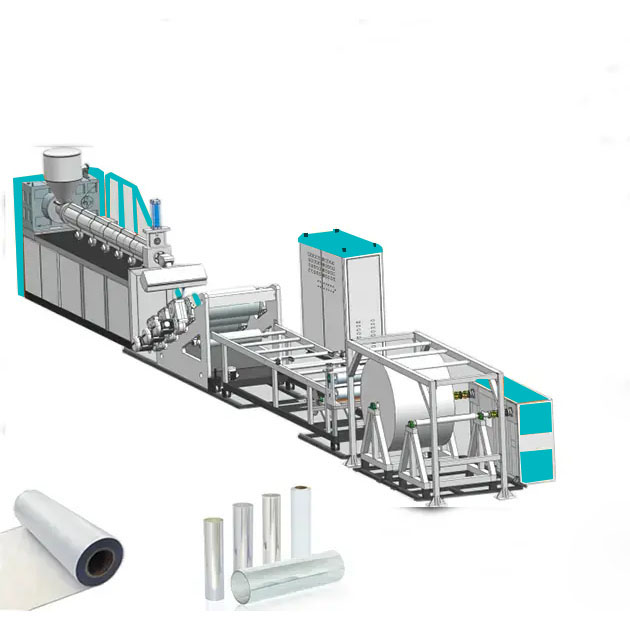
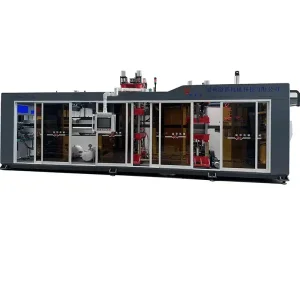
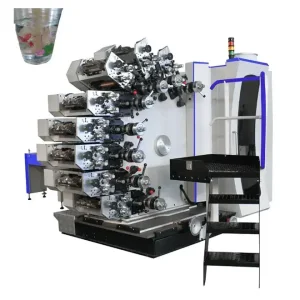
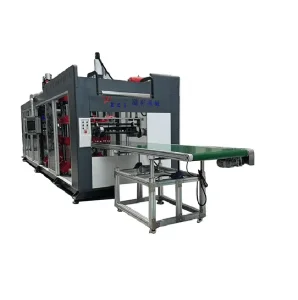
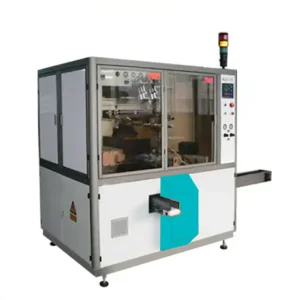
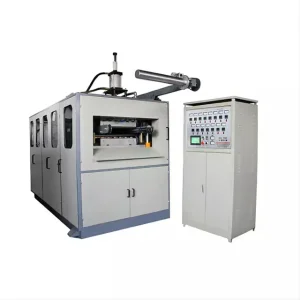
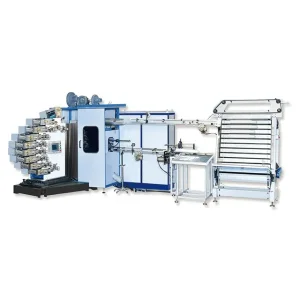
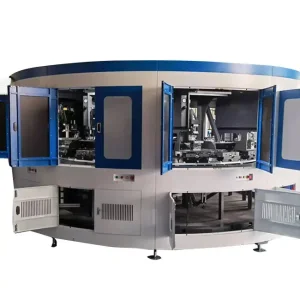
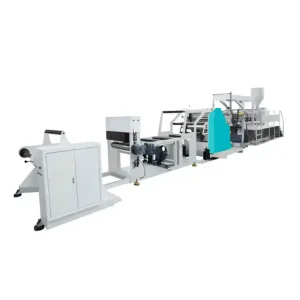
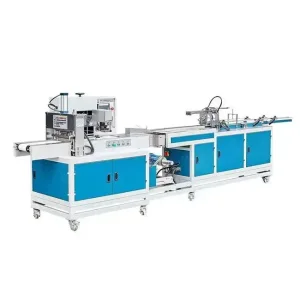
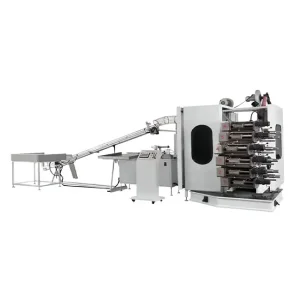
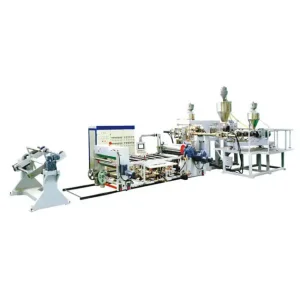
Modern thermoforming and packaging production facilities must operate with minimized labor dependencies and continuous processing configurations. A typical macro-level manufacturing solution consists of an inline sequence starting at the plastic sheet extrusion stage, moving through multi-station pressure and vacuum thermoforming, proceeding to curved offset printing, and concluding with automated stacking and single-row wrapping.
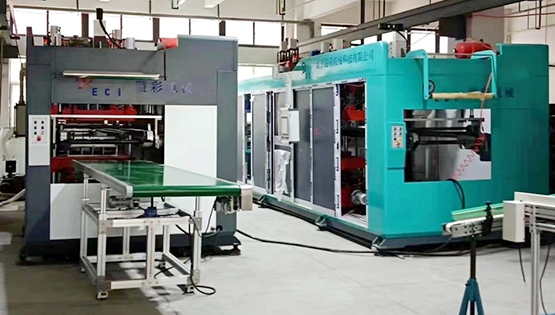
The integration of Wenzhou Yicai's thermoforming platforms directly with a single-row packaging unit provides several industrial advantages:
- Continuous Mechanical Synchronicity: Direct connection eliminates intermediate conveyor buffer zones where contamination or structural misalignment might occur.
- Reduced Footprint: Single-row wrapping lines feature a linear path design, allowing facilities with constrained horizontal footprints to maximize layout efficiency.
- Material Compatibility: Capable of sealing oriented PP, high-impact PS, bio-resins (PLA), and traditional paper cups using identical core mechanics with customized heat seals.
2. Global Commercial & Industrial Status
The demand for automated single-row cup packaging solutions is influenced by two main global forces: shifting plastic regulations and the rapid expansion of ready-to-drink beverage markets in developing economies. While European and North American operators increasingly transition to hybrid materials (such as barrier-coated paper or PLA) requiring highly accurate thermal control parameters, emerging markets in Southeast Asia and Latin America are focused on high-speed PP packaging systems to support regional dairy and food service sectors.
Our global engineering outlook indicates that high-precision ODM suppliers are shifting away from standalone machinery toward turn-key, cloud-monitored automation blocks. By leveraging standard industrial ethernet protocols (such as EtherCAT or Profinet), operators in remote sites can transmit real-time telemetry back to central engineering hubs, optimizing cycle rates and detecting pneumatic wear prior to component failure.
3. Technical Roadmap: Automation, Electronics, and Mechanical Engineering
The engineering layout of a modern single-row packaging machine consists of three primary subsystems working in automated synchronization:
A. The Counting and Infeed Stacking Module
Utilizing high-frequency optical sensors or mechanical star-wheels, cups exiting the thermoformer are counted and grouped. Our advanced control systems enable dynamic count adjustments directly via the touch-screen Human-Machine Interface (HMI). Mechanical guides ensure that lightweight cups remain aligned and do not buckle under high velocity.
B. Film Pulling and Tension Control
To prevent bag length variations during high-speed runs, servo-driven rollers feed the wrapping film (typically BOPP or PE) from the spool. Magnetic tension brakes automatically adapt to the shifting weight of the roll, ensuring uniform tightness throughout the production shift.
C. Rotary Cross-Sealing and End-Cut Assemblies
The end-sealing unit utilizes PID temperature controllers to maintain consistent heat settings, accommodating thermal variances of ±1°C. An integrated cut-off knife slices through the film sleeve cleanly without leaving jagged edges or compromising seal integrity. The result is a dust-proof, moisture-proof single row pack suitable for commercial distribution.
4. Localization Support, Compliance & Operational Standards
Deploying heavy machinery globally requires rigorous adherence to local industrial standards. Wenzhou Yicai Machinery Technology ensures compliance across multiple levels of international certification:
- CE Machinery Directive: Essential electrical controls, mechanical shielding, and emergency stop configurations comply with EU safety guidelines.
- FDA Sanitary Specifications: All component surfaces in contact with the product are made of food-grade stainless steel (SUS304/SUS316) or certified polymer grades to prevent food contamination.
- Local Voltage Adaptation: We configure internal transformer and servo drive sets to match regional power grids, including 220V single-phase, 380V/415V three-phase systems at both 50Hz and 60Hz.
Furthermore, our dedicated pre-sales and after-sales support systems include on-site commissioning options, remote video diagnostic interfaces, and structured maintenance schedules, helping global operators maintain high production efficiency.