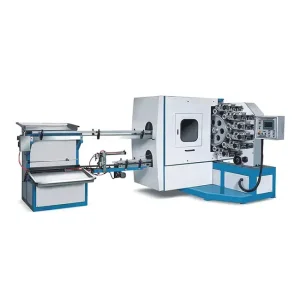
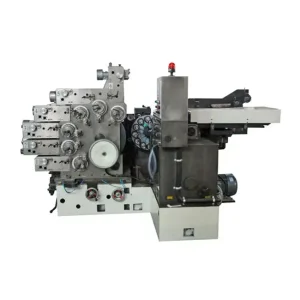
Explore our foundational equipment portfolio engineered for maximum throughput, absolute registration accuracy, and reliable operations under heavy cycles.
A comprehensive analysis of high-quality screen printing, material thermoforming, and multi-color offset processes in the global packaging value chain.
Modern industrial packaging demands high mechanical accuracy, energy efficiency, and operational safety. At the intersection of these requirements lie automatic screen printing machines and advanced thermoforming lines. Historically, printing on curved, cylindrical, or irregular surfaces required manual operations or low-speed semi-automatic systems that introduced alignment errors, high rejection rates, and significant labor costs. With the implementation of integrated servo-control networks and high-precision visual registration, modern automatic screen printing machinery transforms these bottlenecks into highly predictable, continuous manufacturing streams.
From simple thermoformed containers to multi-layered, visually vibrant barriers, the engineering of plastic packaging has shifted toward absolute vertical integration. The ability to extrude multi-layer plastic sheets, thermoform precise shapes with negative/positive pressure, and print up to 6 or 8 colors inline defines the core competitiveness of leading consumer goods manufacturers.
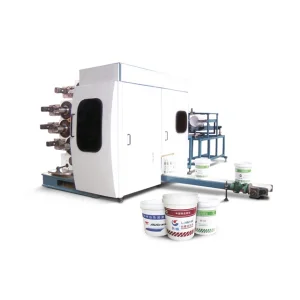
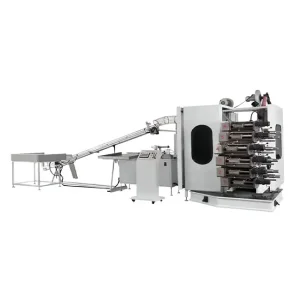
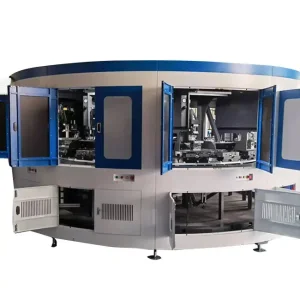
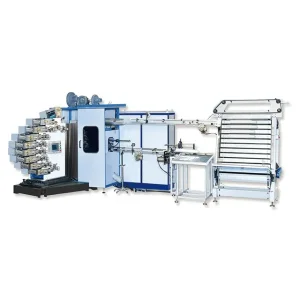
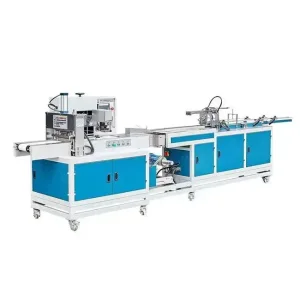
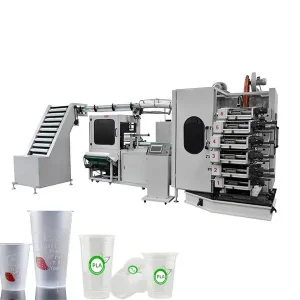
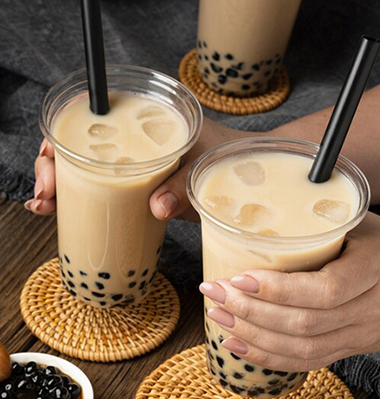
Decorating cylindrical objects such as disposable plastic drink cups, industrial buckets, and storage tubs presents a geometric challenge. Single-station curved offset printing utilizes an offset blanket segment that rotates synchronously against the container, laying down multiple colors of UV-curable inks in a single pass. Conversely, automatic screen printing relies on precise squeegee movement over a flat mesh screen while the target container is rotated synchronously beneath it. For multi-colored designs requiring tactile texture and extreme opacity, servo-driven screen printing ensures unmatched registration control down to the millimeter.
Moreover, the integration of pre-treatment systems—such as corona or flame treating—is critical to increasing surface energy on substrates like polypropylene (PP) and high-density polyethylene (HDPE). Without these surface treatment systems, inks fail to adhere, leading to scratching, flaking, and diminished print longevity. High-quality automated suppliers incorporate these treatment processes directly into the machine's cycle, eliminating secondary handling steps.
Decades of mechanical engineering excellence, driving transformation in the packaging machinery sector.
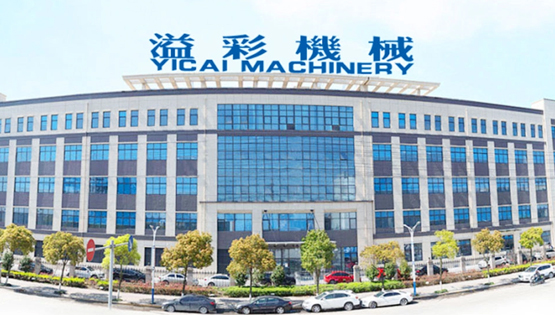
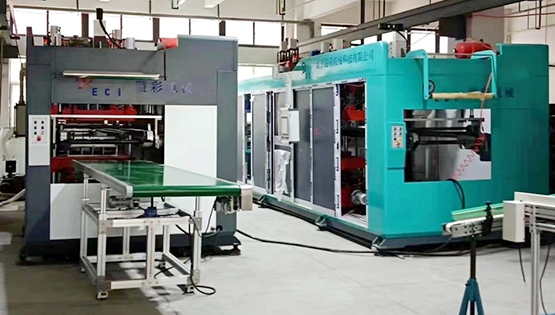
Wenzhou Yicai Machinery Technology Co., LTD. (formerly known as "Ruian Seven Star Machinery" during its initial founding in 2010, and updated to its current corporate structure in 2022) is situated in Zhejiang Province, East China’s premier coastal manufacturing hub. Backed by a seasoned research and development team, Wenzhou Yicai manufactures and exports thermoforming machinery, multi-color curved offset presses, plastic sheet extrusion equipment, and high-performance packaging components. By optimizing mechanical dynamics and adopting robust quality control structures, we satisfy the rigid demands of high-output global clients.
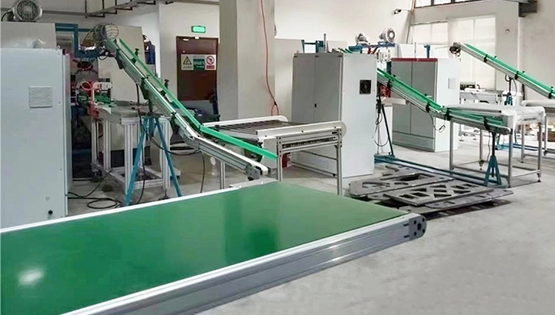
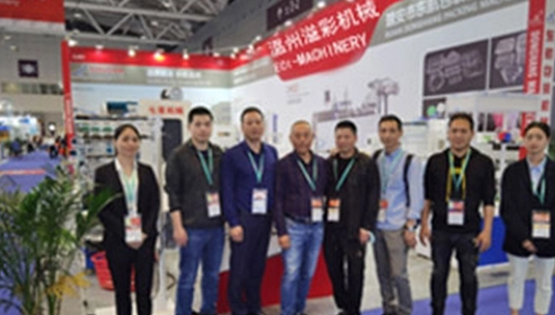
Why international brands partner with Wenzhou Yicai for their custom machinery needs.
Our strategic location in Zhejiang grants us direct access to world-class precision toolings, high-performance metallurgy, and specialized components, enabling rapid manufacturing cycles and localized cost efficiencies.
We tailor product dimensions, mold cavity layouts, electrical configurations (such as Siemens PLC or Omron controls), and frame colors to align seamlessly with your existing facility requirements and output targets.
From initial metal casting inspection to structural testing and thermal imaging of critical thermoformer heating components, we subject every machine to rigorous stress-testing prior to overseas transit.
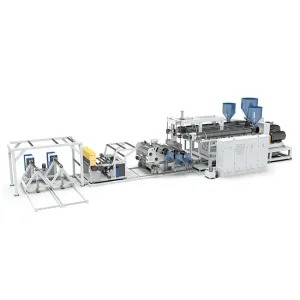
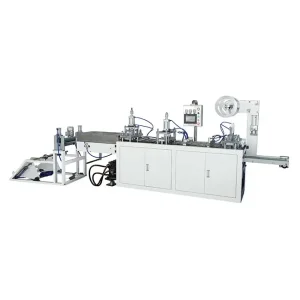
Operating a high-throughput packaging facility requires absolute synchronization between the plastic sheet extruder, thermoforming unit, and the secondary decorating line. For instance, a producer of multi-material barrier trays requires a custom extruder capable of feeding PP/EVOH/PP structured sheets, which are subsequently formed into precise dimensions under positive/negative air pressure and finally printed or labeled automatically. A breakdown of the core sub-assemblies demonstrates Wenzhou Yicai's dedication to integrated engineering:
Whether navigating UL certification for North America, CE compliance for the European Union, or strict food-grade sanitary requirements, our machinery structures prioritize safety interlocks, low-energy heating arrays, and accessible maintenance points.
As the international packaging landscape shifts toward ecological sustainability, machinery manufacturers must adapt. Post-Consumer Recycled (PCR) resins and biodegradable polymers (such as PLA) exhibit different thermodynamic behaviors compared to virgin materials. Wenzhou Yicai's sheet extrusion and thermoforming lines feature intelligent heat zoning with auto-correcting feedback loops. This technology maintains correct forming windows even when processing material batches with varying molecular weights or minor impurities. Furthermore, our screen printing lines are compatible with advanced UV-LED curing inks, which drastically reduce energy footprints and eliminate VOC emissions.
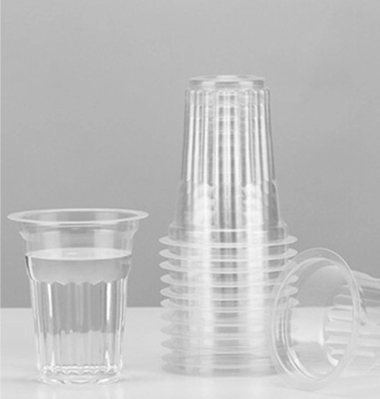
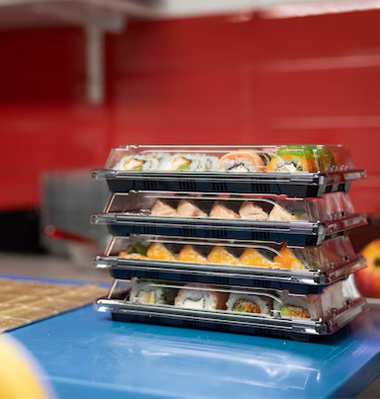
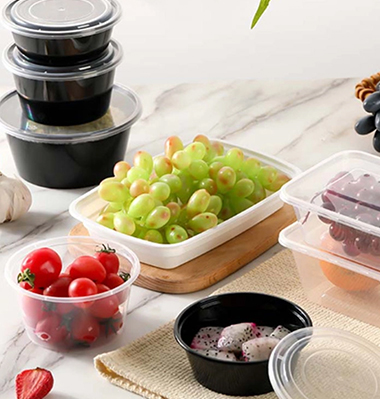
Engineered to deliver high precision and aesthetic clarity across diverse commercial formats.
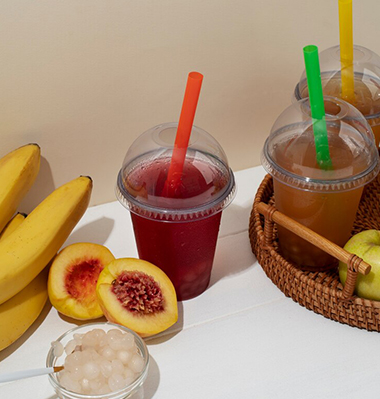
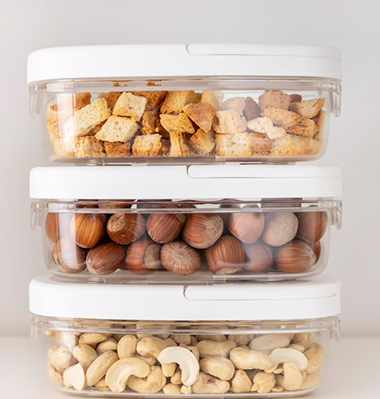
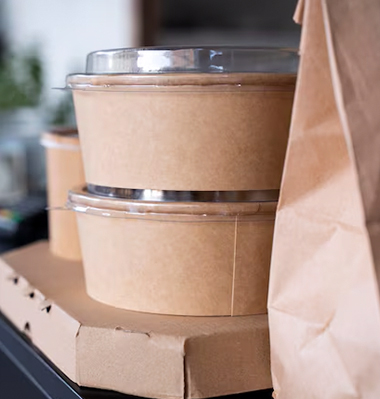

International procurement managers must evaluate more than just upfront machinery costs. Total Cost of Ownership (TCO) is defined by downtime, spare parts availability, tooling changeover times, and electrical efficiency. When evaluating screen printers or thermoformers from China, buyers should prioritize the following parameters:
In-depth responses to frequently asked engineering, operational, and sourcing questions.
Curved offset printing is ideal for high-volume runs where multiple colors (up to 6 or 8) need to be applied in a single pass. It provides excellent production speeds but thinner ink deposits. Servo-driven screen printing applies ink through a mesh, yielding much thicker, highly opaque, and tactile finishes. Screen printing is preferred for premium branding, bucket designs, and complex surface materials, albeit at a lower speed compared to rotary offset.
Yes. Our multi-station and negative/positive pressure thermoforming machines are designed with highly responsive heating zones. PLA (Polylactic Acid) has a narrower forming temperature window and lower melt strength than standard PP or PET. Our advanced PLC temperature controllers adjust thermal output dynamically to ensure flawless forming without tearing or shrinking.
We use dedicated optical sensor networks and precision servo motors. On tapered cups, the linear speed changes along the gradient. The mechanical rotation and horizontal motion of the screen are constantly synced by the PLC control algorithm, maintaining registration accuracy within ±0.1mm even at high production rates.
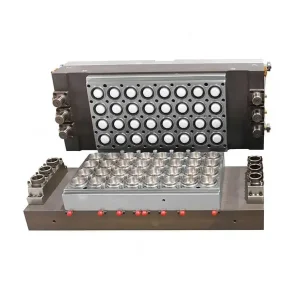
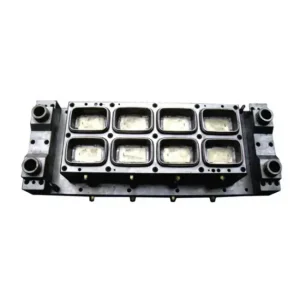
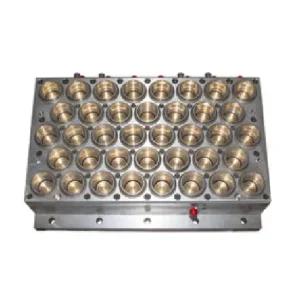
We supply complete customized design services for thermoforming molds (lid molds, cup molds, box molds). We use high-grade aviation aluminum alloys or tooling steel, designed in-house via CAD/CAM to match your precise shrinkage rates, cycle times, and venting needs.
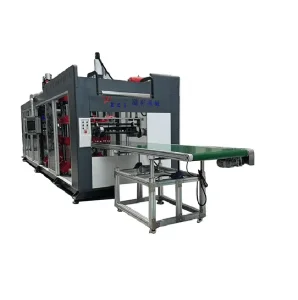
Our complete machinery, tooling, and extrusion system portfolio available for worldwide distribution.
Connect directly with our engineering team to map out your custom printing and thermoforming production layout.
 Yicai Machinery