Precision Engineering for Thermoforming, Extrusion, and Packaging Operations
An in-depth perspective on modern multi-layer coating systems, supply chains, and compliance
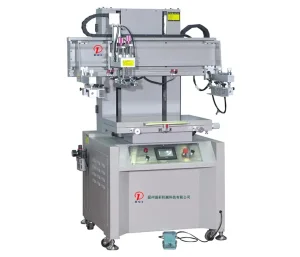
The global machinery sector has transitioned from standalone mechanical assemblies to fully integrated, intelligent systems. At Wenzhou Yicai Machinery Technology Co., LTD. (formerly known as Ruian Seven Star Machinery, founded in 2010), this evolutionary trajectory has defined our developmental process. Designing machinery that operates with extreme reliability requires a deep understanding of polymer extrusion and substrate lamination mechanics. We specialize in producing custom solutions for thermoforming, multi-layer co-extruded plastic sheet extrusion, and high-speed curved offset printing.
Extrusion laminating represents a complex process where molten polymer resins are extruded through a flat T-die and directly applied onto moving web substrates (such as paper, film, foil, or woven fabric). This process demands strict thermal regulation, high-precision web control, and dynamic tension management systems to prevent wrinkles, air trapping, and delamination.
The manufacturing ecosystem in Wenzhou, Zhejiang Province, represents a highly coordinated supply chain network. This concentration of raw material suppliers, high-precision component manufacturers, and experienced assembly technicians allows us to produce durable equipment without excessive costs.
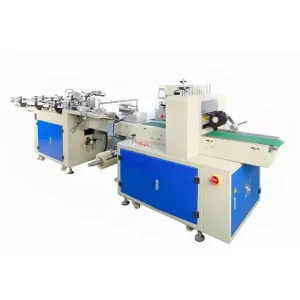
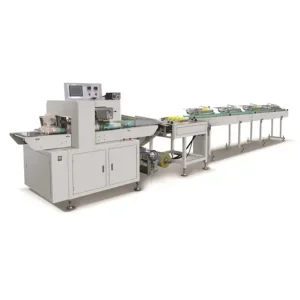
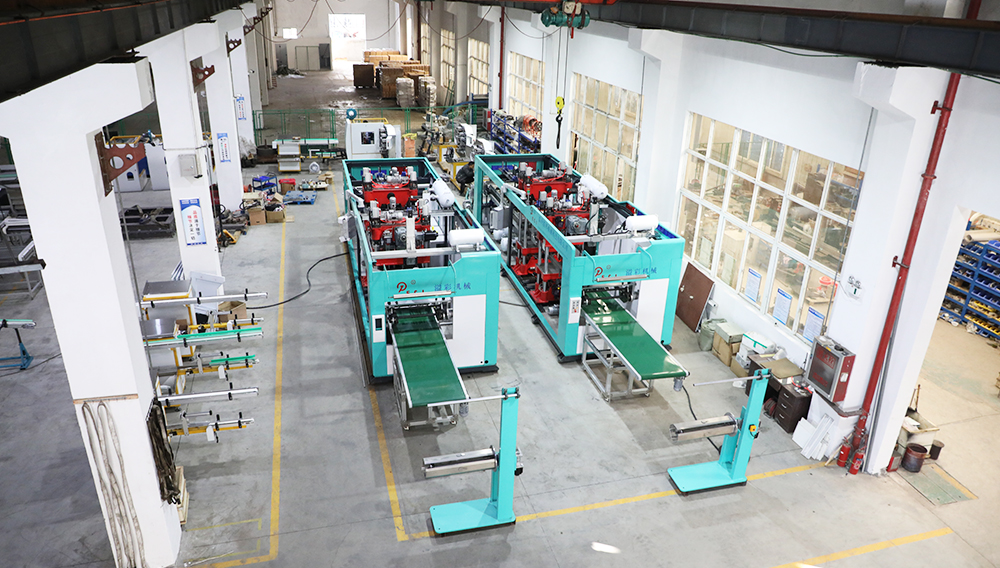
By sourcing key components from reliable international brands (such as Schneider Electric, Siemens, and Omron), we eliminate the reliability issues commonly associated with domestic industrial machinery. Our manufacturing facility in Zhejiang utilizes advanced CNC machining centers, automated welding stations, and specialized assembly bays. These resources enable our 30+ engineering team members to build complex configurations—such as plastic sheet extrusion machinery and multi-row cup packaging lines—while meeting short lead times.
Engineered for high performance, reliability, and global field support
We configure every production system to align with your facility space, output targets, and polymer specifications. This includes customized extruder screw designs, specialized colors, and modular downstream configurations.
Our transition from manual operation to semi-automated and fully integrated smart control systems addresses the industry's need for lower labor costs and minimized scrap rates during startup and changeovers.
We source heavy-duty electrical components, PLC controllers, and high-precision temperature modules from international brands. This configuration helps prevent safety risks and ensures parts availability globally.
Our engineering division assists clients with detailed feasibility analysis, project layout configurations, utility consumption planning, and optimal polymer formulation advice prior to production.
We provide remote PLC diagnostics, field installation, system commissioning, and operator training to keep your equipment running reliably and productively over the long term.
All extrusion machinery, thermoformers, and multi-station production lines are designed and built to meet CE and international safety standards, facilitating smooth installation and certification.
Global sourcing managers must balance competitive pricing against strict regulatory compliance. When sourcing high-speed extrusion lines and packaging machines, several key compliance factors require attention:
Laminated structures are used extensively across industries. Understanding the material behavior of different polymers (like LDPE, PP, EVA, and TPU) is key to configuring the proper extrusion lamination equipment.
For instance, co-extruding PP sheets requires a screw design with a high L/D ratio to ensure thorough mixing without overheating the polymer chain. Conversely, TPU lamination requires precise temperature control to manage the material's high elasticity and sticky nature during web winding.
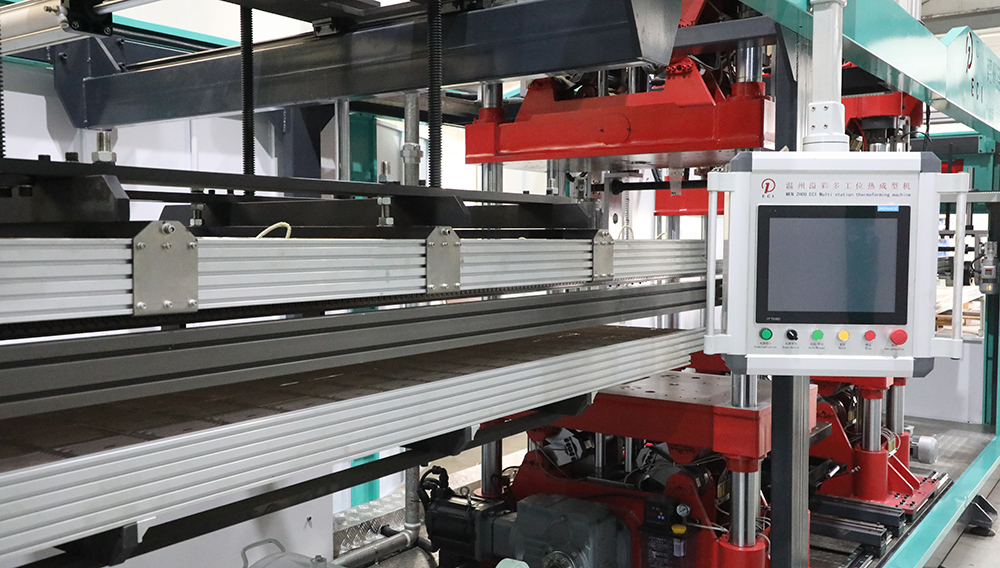
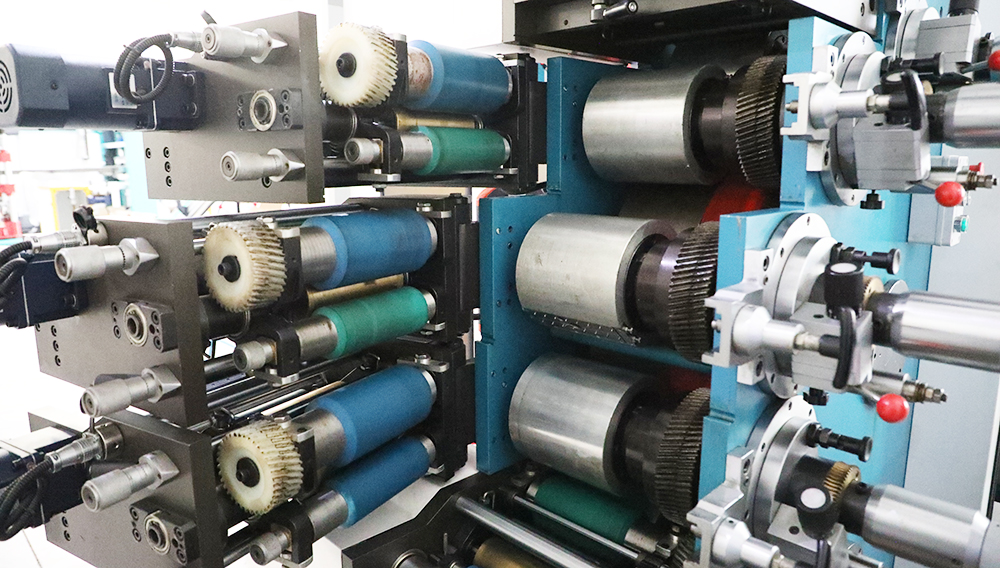
A look inside our 3000㎡ industrial facility in Zhejiang, China
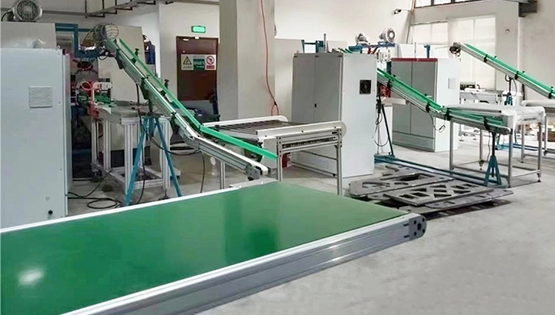
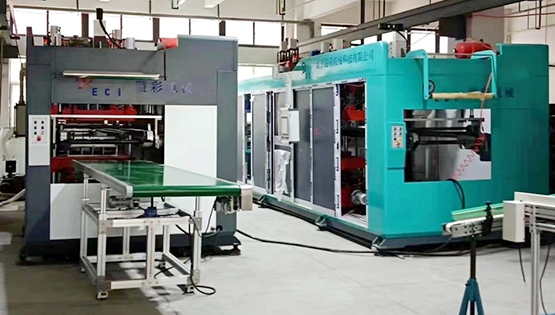
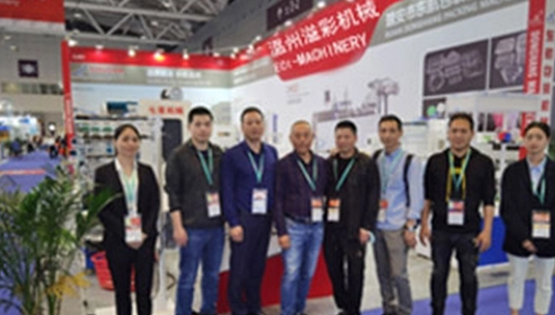
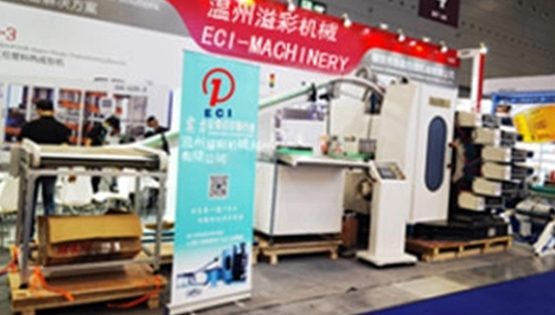
As environmental regulations tighten globally, the extrusion and thermoforming machinery industries are shifting toward sustainable production methods. This transition involves modifying existing machinery to process eco-friendly materials and incorporating recycled resins without sacrificing final product quality.
Our machinery is configured to process polymers for a wide range of industrial and food packaging applications. Each final product requires specific extrusion, laminating, or thermoforming parameters to ensure performance and quality:
Reliable and efficient machinery for your manufacturing needs
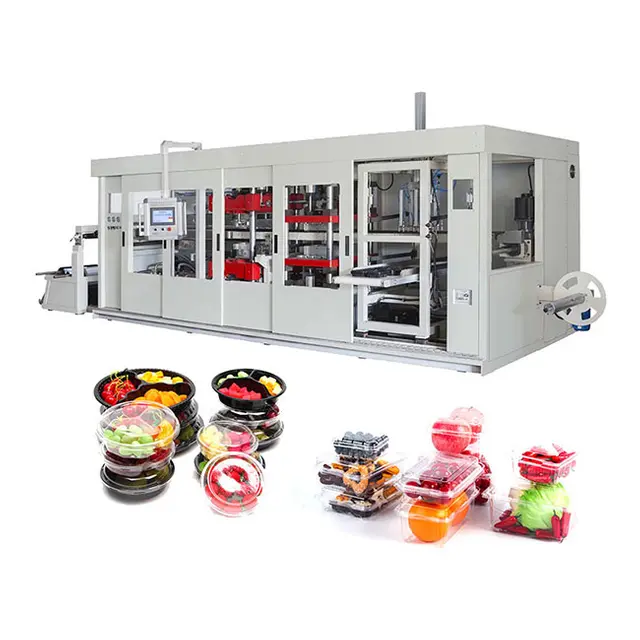
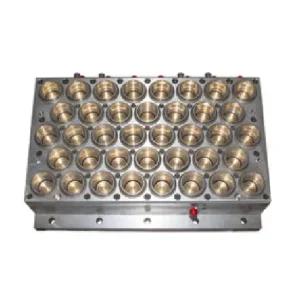
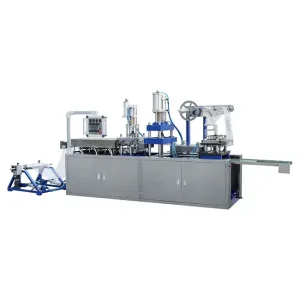
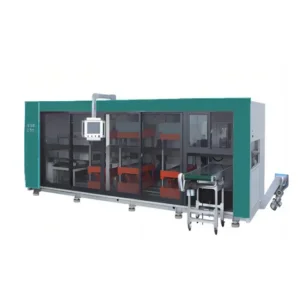
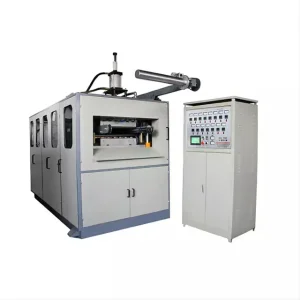
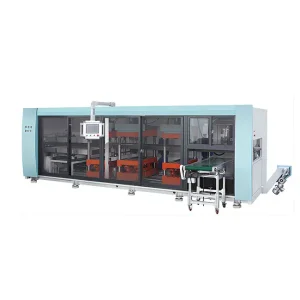
We build multi-station, servo-driven thermoforming systems engineered to process PP, PS, PET, and PLA sheets into food containers, lids, and packaging trays.
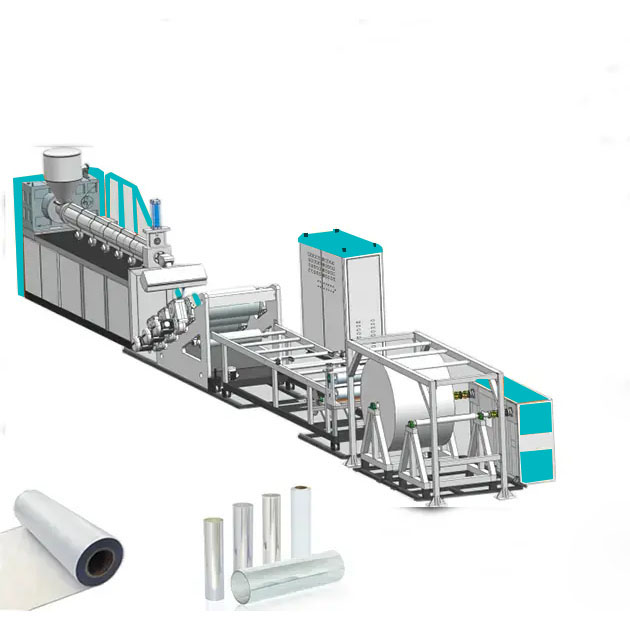
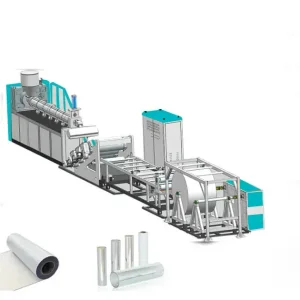
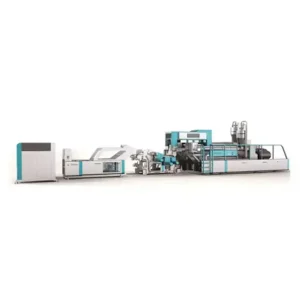
Our single and multi-layer extrusion lines produce consistent plastic sheets for thermoformers, utilizing advanced feedblocks and high-torque extruders.
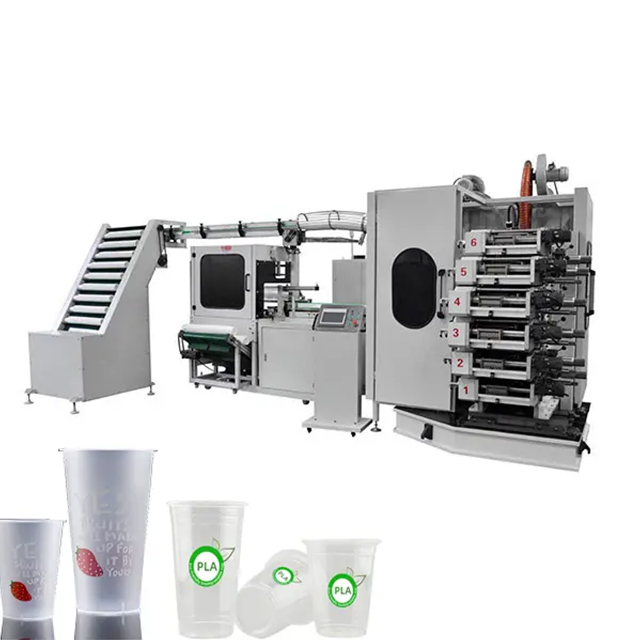
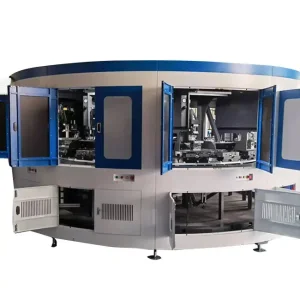
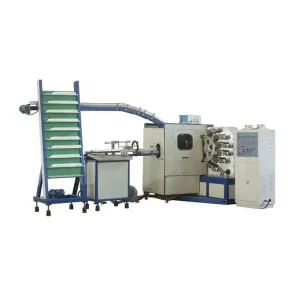
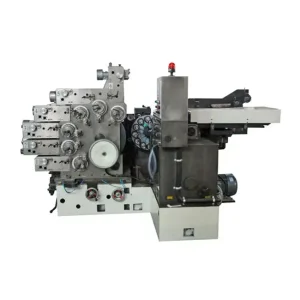
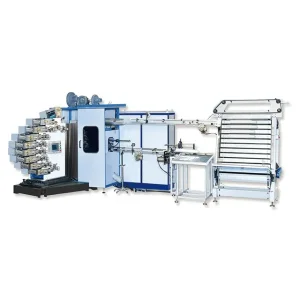
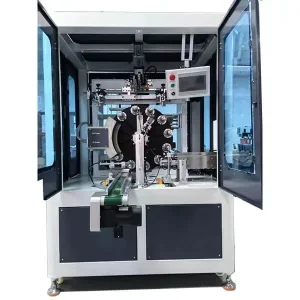
These high-speed printing systems feature up to 8-color configurations, designed for clear, consistent graphics on plastic and paper cup surfaces.
High-speed thermoforming, packaging, offset press, and printing solutions
Technical guidance on production setups, compliance, and material processing
Adhesion quality depends on melt temperature, air-gap oxidation, and substrate surface energy. The melt temperature must be high enough to oxidize the polymer surface, which generates polar groups that bond with the substrate. Additionally, online treatment methods (like corona or plasma) are often used to increase the surface energy of non-porous films like BOPP or PET, ensuring reliable bonding at high line speeds.
Polylactic Acid (PLA) requires precise thermal control due to its narrow processing window and risk of thermal degradation. Our sheet extrusion lines use low-shear screws, dehumidifying dryers to lower resin moisture below 250 ppm, and multi-zone heating barrels. This configuration prevents viscosity loss and maintains sheet quality through the downstream thermoforming stage.
Our machinery is built in compliance with European CE directives. The electrical enclosures feature IP54 protection, low-voltage control circuits, and emergency stop systems integrated with interlocked safety doors. For chemical and food-contact compliance, all material-contact areas are constructed using food-grade stainless steels or certified polymer coatings.
We use components from international suppliers (including Siemens, Omron, Schneider, and SMC) for our critical electrical, pneumatic, and control assemblies. This standardization allows local service departments in Europe, the Americas, and Southeast Asia to quickly source replacement parts, minimizing potential downtime.
Multi-station thermoforming systems combine forming, cutting, stacking, and scrap winding into a single automated line. Utilizing servo-driven platen movements ensures consistent plug velocity and sheet distribution. This setup increases throughput while reducing labor costs and material waste compared to standalone, manual machines.
Connect with our technical engineering team for quotes and configuration layouts
101, Unit 1, Building 20, Zilai Industrial Park, Wanquan Town, Pingyang County, Wenzhou City, Zhejiang Province, China
Mobile & Whatsapp: +86-13968939397
Secondary Line: +86-13958827517
Primary: [email protected]
Backup: [email protected]
 Yicai Machinery