Explore our foundational system array designed to optimize production throughput and mechanical reliability across Brazil's manufacturing hubs.
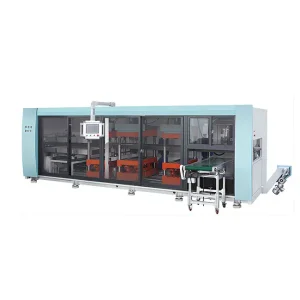
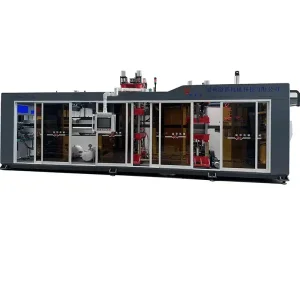
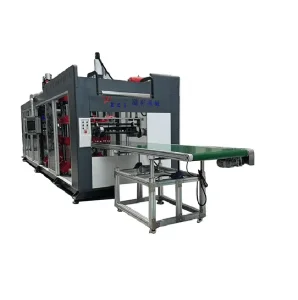
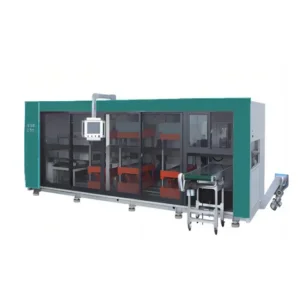
The global packaging sector is undergoing a massive transformation driven by carbon neutrality targets, efficiency parameters, and strict product safety requirements. In South America, and specifically in Brazil, these macro-trends are reshaping how manufacturers approach the selection of capital equipment. Multi-station plastic thermoforming machines have emerged as the industry gold standard for producing thin-walled rigid packaging, food containers, lids, cups, and industrial trays with superior speed and minimal waste.
“As Brazil's packaging sector consolidates its transition from manual machinery to fully automated manufacturing lines, high-speed multi-station thermoforming lines represent the cornerstone of next-generation packaging efficiency and environmental compliance.”
Brazil stands as the largest packaging market in Latin America. The massive agricultural, beverage, and food processing industries across key industrial centers—such as São Paulo, Paraná, Rio Grande do Sul, and Santa Catarina—demand consistent high-volume output of packaging materials. Historically, Brazilian companies relied heavily on single-station thermoforming machines or semi-automatic systems. Today, escalating labor costs, energy price volatility, and intense competition from imported goods are forcing local manufacturers to modernize.
Furthermore, Brazil's alignment with sustainability practices has surged. Plastic processing companies are under pressure to process post-consumer recycled (PCR) resins such as rPET, alongside standard materials like PP, PS, and bioplastics (PLA). Modern multi-station thermoforming systems provide the precise temperature zoning and pressure profile adjustment required to process these heat-sensitive recycled compounds without sacrificing wall-thickness uniformity or product integrity.
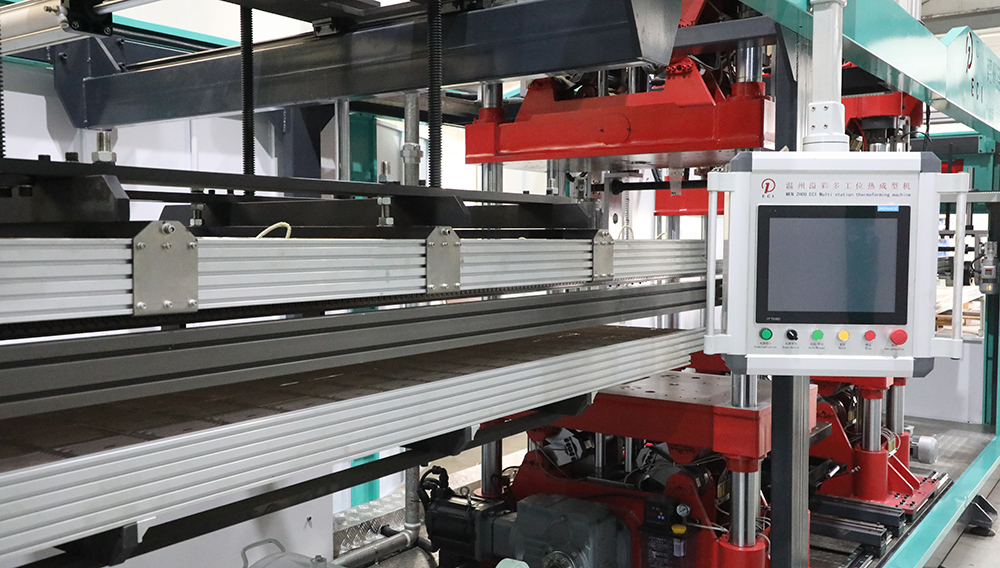
Understanding the technological mechanics of a multi-station thermoforming system is vital for operational directors:
One of the primary challenges for global procurement teams importing thermoforming equipment into Brazil is the strict safety regulations enforced by the Ministry of Labour, known as NR-12 (Norma Regulamentadora 12). Any machinery operating within the country must comply with these stringent criteria to prevent occupational hazards.
Wenzhou Yicai Machinery Technology Co., LTD. engineers our machinery structures with local compliance in mind. This includes installing dual-channel safety relays, physical protective shrouds with safety microswitches, optoelectronic safety light curtains at all access points, and emergency stop circuits that immediately dump pneumatic and electrical energy. Our systems are pre-engineered to simplify the NR-12 certification process conducted by local Brazilian engineers, ensuring quick commissioning at your factory floor.
Empowering global manufacturers with advanced thermoforming, extrusion, and printing equipment since 2010.
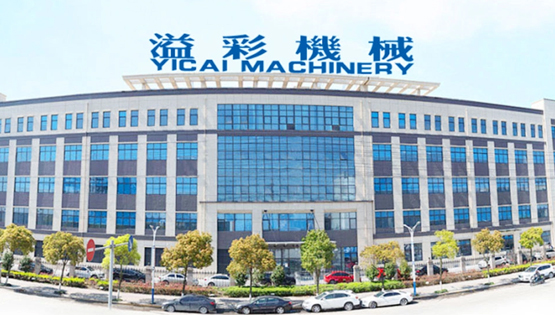
The machinery manufacturing sector requires robust technical support, design innovation, and automated control systems. Established in 2010 as Ruian Seven Star Machinery and rebranded as Wenzhou Yicai Machinery Technology Co., LTD. in 2022, we operate from a modern 3,000 m² facility in Zhejiang, China. We integrate metal fabrication, precision assembly, and advanced PLC automation to manufacture world-class thermoforming machines, plastic sheet extruders, and cup printing systems, serving customers globally with reliable local support.
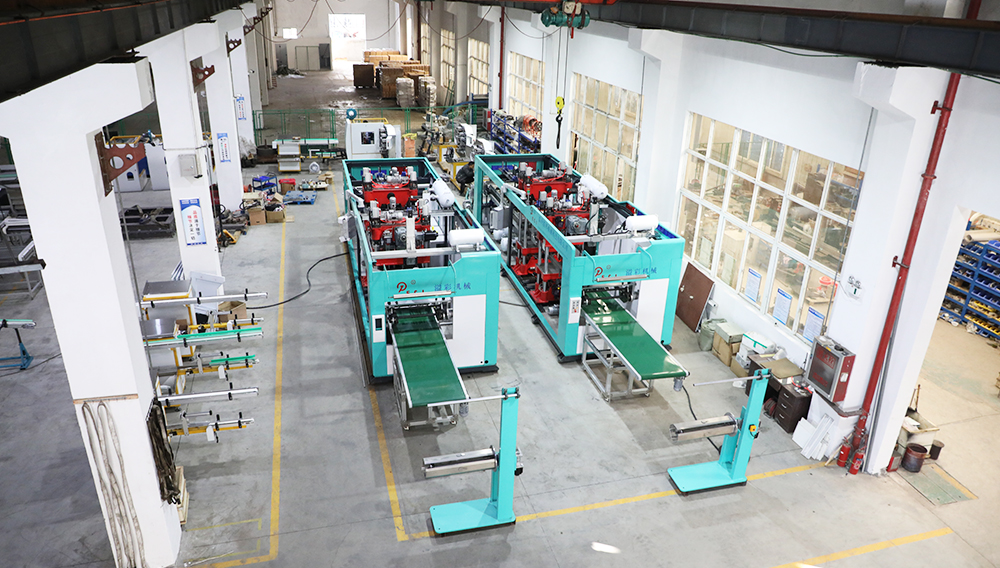
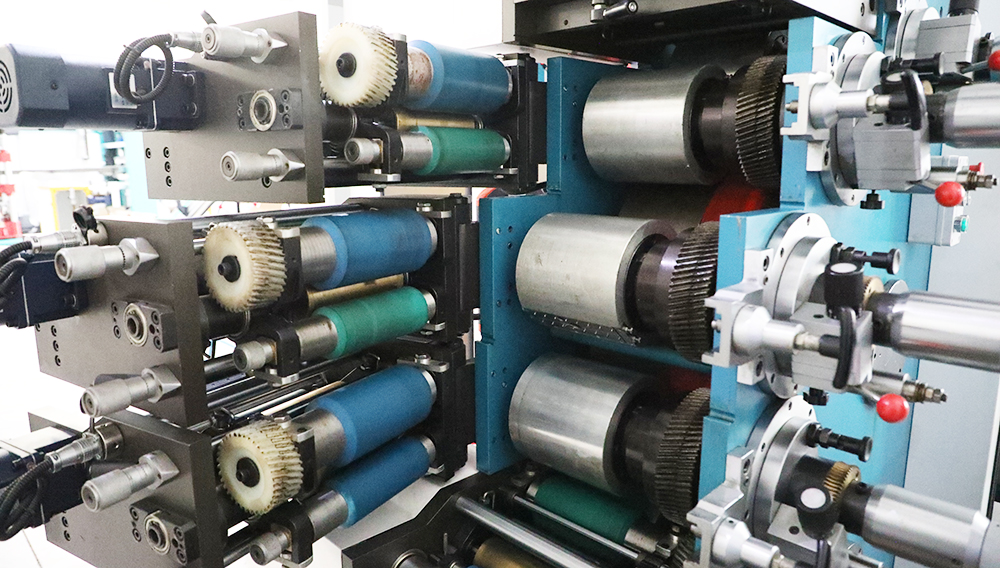
We build lasting partnerships by aligning our advanced engineering capabilities with your specific local production needs.
We tailor every line to your exact specifications. From PLC interface languages and paint finishes to custom mold designs and integrated peripherals, we build your machinery to deliver peak performance.
Maximize your return on investment. Our servo-driven designs reduce energy consumption by up to 35% compared to legacy hydraulic systems, significantly lowering operational costs.
We use top-tier global components, including Siemens PLCs, Delta or Yaskawa servo drives, Festo pneumatics, and Omron temperature controllers, ensuring reliable operation and easy local parts sourcing in Brazil.
In Brazil, material dynamics vary by application. PP is highly favored for microwaveable trays and dairy cups (e.g., requeijão and yogurt pots) due to its high heat tolerance. PET, particularly rPET, is rapidly gaining ground in the fruit packaging export market, which is key in regions like the São Francisco Valley. Processing these materials requires advanced sheet temperature management and plug assist systems to ensure uniform wall thickness.
Our multi-station thermoforming lines are equipped with individually controlled upper and lower heaters using PID controllers. This configuration ensures consistent material heating, avoiding hot spots that lead to thinning or structural failure during the forming process. The high-speed plug assist is driven by independent servo motors, offering precise control over speed, depth, and timing parameters for deep-draw containers.
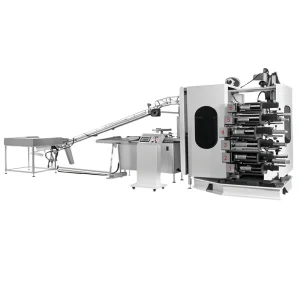
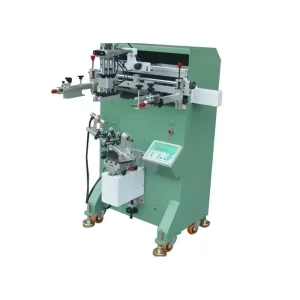
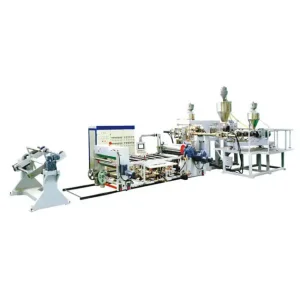
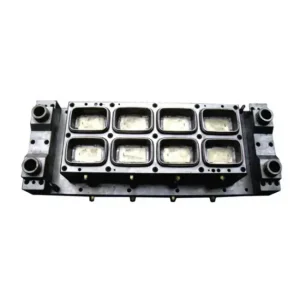
For large-scale packaging operations in Brazil, a standalone thermoforming machine is only part of the equation. A complete, integrated solution often includes:
Integrate our auxiliary lines to establish a high-efficiency, closed-loop packaging ecosystem ready for South American operations.
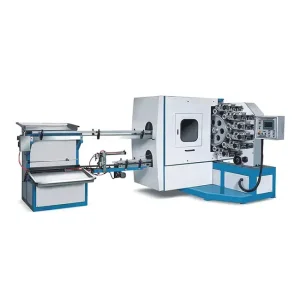
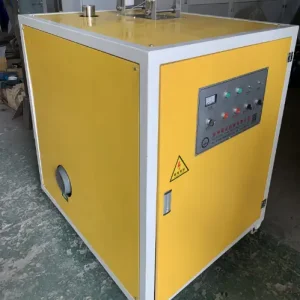
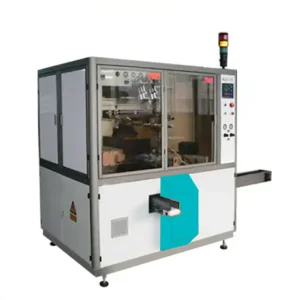
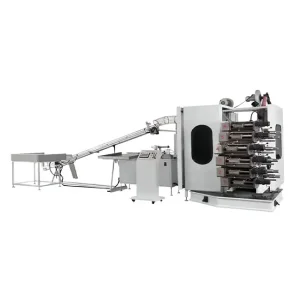
The next decade of packaging in Brazil will belong to intelligent, connected, and hyper-efficient manufacturing networks. We identify three key pillars in our technical roadmap:
Our thermoforming lines feature integrated internet gateways allowing remote troubleshooting and software updates directly from Wenzhou to locations across Brazil. This system enables real-time monitoring of heater cycle statuses, servo temperatures, and cycle rates, helping maintenance teams detect anomalies before they cause unscheduled downtime.
To reduce plastic usage, many brands are switching to co-extruded structures that sandwich recycled content or barrier layers between virgin resin. Our multi-layer co-extrusion and forming lines are designed to handle these composite layers with high precision, ensuring the integrity of each barrier layer is preserved during the drawing phase.
With electricity prices rising in Brazil, energy efficiency is a key design consideration. Our machines use kinetic energy recovery systems in the servo drives to capture and reuse energy generated during deceleration, reducing overall power consumption.
Get answers to common technical, regulatory, and logistics questions about exporting multi-station thermoforming lines to Brazil.
Get in touch with our engineering team for custom configurations, NR-12 compliance reviews, or a detailed quote for your production facility in Brazil.
Send Inquiry Now Yicai Machinery